Beans & roast
Arabica vs Robusta Coffee Beans Explained
Learn the practical differences between arabica and robusta coffee beans, from flavour and caffeine to brewing, blends and buying choices.
7 min read
Journal
102 guides on brewing, beans, espresso and everything between — written the way we'd explain it across the counter.
Beans & roast
Learn the practical differences between arabica and robusta coffee beans, from flavour and caffeine to brewing, blends and buying choices.
7 min read
Cold brew
The best beans for cold brew coffee are fresh, medium to dark roasted coffees with chocolate, nut and caramel notes and low perceived acidity.
9 min read
Lahore
A practical guide to choosing Lahore cafés for client meetings, team catch-ups, interviews and focused work sessions.
7 min read
Lahore
A practical guide to choosing Lahore coffee shops for focused work, meetings, reliable coffee and comfortable long sessions.
8 min read
Brewing basics
Start with a 1:16 coffee to water ratio for a balanced, reliable cup, then adjust by taste and brewing method.
7 min read
Milk drinks
Whole dairy milk is usually the best milk for latte art, but the right barista oat milk can produce excellent results.
7 min read
Pairings
A practical guide to matching coffee intensity, milk texture and roast character with pastries.
7 min read
Pour-over
Use a balanced ratio, even blooms and gentle pulses to brew a sweeter, clearer pour-over coffee.
8 min read
Health
The best time to drink coffee depends on your wake time, caffeine sensitivity, goals and bedtime, but late morning is often a reliable choice.
7 min read
Equipment
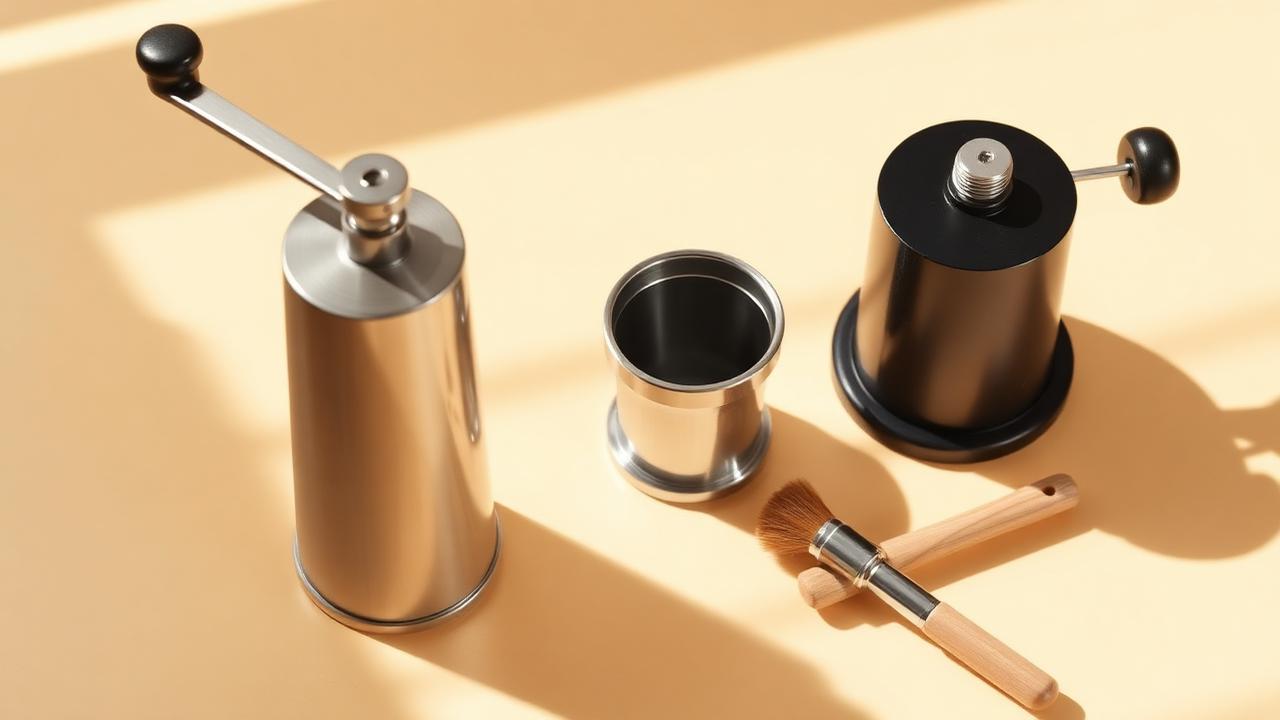
Burr grinders produce more even grounds and better coffee, while blade grinders are cheaper but less consistent.
9 min read

Coffee culture
A practical guide to working respectfully and productively in a coffee shop without overstaying your welcome.
8 min read
Lahore
Coffee culture in Pakistan is shifting from instant cups and cafés towards a more curious, quality-focused specialty coffee scene.
9 min read
Coffee culture
A plain-English guide to using the coffee flavour wheel to name what you taste and brew with more confidence.
8 min read
Brewing basics
Use this coffee grind size chart to choose the right particle size, brew time and recipe for every common brewing method.
7 min read
Cold brew
Calculate the right coffee-to-water ratio for cold brew concentrate or ready-to-drink batches with clear metric measurements.
7 min read
Cold brew
Cold brew and iced coffee are both served cold, but their brew temperature, extraction, flavour and preparation are fundamentally different.
7 min read
Equipment
A coffee scale is not essential, but it is the simplest way to brew consistently and improve flavour at home.
8 min read
Health
Coffee has a mild diuretic effect, but moderate servings usually contribute to daily hydration rather than causing dehydration.
6 min read
Milk drinks
Oat milk can work very well in coffee when you choose a barista-style version and steam it at the right temperature.
8 min read
Brewing basics
Water quality changes coffee extraction, sweetness, clarity, acidity and bitterness, making it one of the most important brewing variables.
8 min read
Espresso
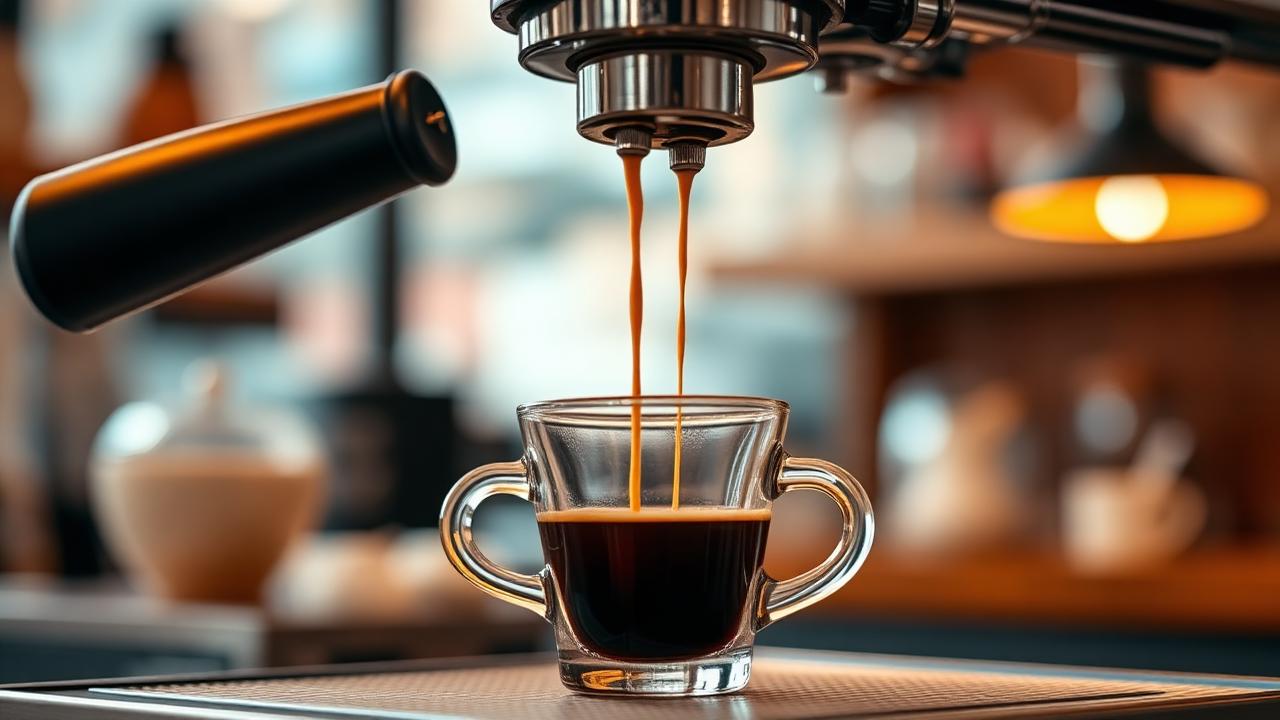
A practical guide to espresso dose, yield and shot time, with ratios and dialling-in targets for balanced coffee.
8 min read
Milk drinks
Learn the practical differences between a flat white, latte and cappuccino, from milk texture and espresso strength to cup size.
9 min read
Equipment
A practical French press vs AeroPress comparison covering flavour, technique, capacity, cleaning and which brewer suits your routine.
8 min read
Beans & roast
Coffee is graded through physical green-bean inspection and sensory cupping, with specialty coffee requiring a score of 80 points or above.
8 min read
Beans & roast
Whole coffee beans are best within 2 to 6 weeks of roasting when stored airtight, cool, dark and dry.
7 min read
Cold brew
Properly refrigerated cold brew usually tastes best for 7 to 10 days, while diluted cold brew should be finished sooner.
7 min read
Pour-over
Use 15 to 18 g of coffee for a 250 ml pour over, then adjust the ratio for a lighter, stronger or larger brew.
7 min read
Health
A typical 240 ml cup of brewed coffee contains about 95 mg of caffeine, but serving size, bean type and brewing method can change that greatly.
7 min read
Equipment
Most coffee machines need descaling every 2 to 6 months, but water hardness and usage determine the right interval.
8 min read
Pour-over
Blooming coffee releases trapped gas so water can extract grounds evenly for a sweeter, clearer pour-over.
7 min read
Brewing basics
A reliable home coffee routine starts with fresh beans, accurate ratios, clean water and control of grind, time and temperature.
8 min read
Brewing basics
Better home coffee comes from fresh beans, accurate weighing, suitable grinding, clean water and repeatable brewing methods.
7 min read
Brewing basics
A practical guide to brewing balanced, flavourful black coffee at home with pour-over, French press, AeroPress or drip methods.
9 min read
Brewing basics
Brew satisfying coffee without a paper filter by controlling grind size, water temperature, steep time and careful pouring.
8 min read
Brewing basics
Brew balanced coffee without a machine using fresh grounds, clean water, accurate ratios and simple kitchen tools.
8 min read
Brewing basics
Brew better coffee at home by controlling freshness, water, grind size, dose, time and technique.
7 min read
Brewing basics
A practical guide to brewing balanced filter coffee at home using simple equipment, accurate ratios and repeatable technique.
6 min read
Brewing basics
A practical guide to brewing specialty coffee at home with fresh beans, accurate measurements and repeatable technique.
7 min read
Beans & roast
A practical guide to choosing fresh, well-roasted coffee beans that suit your taste, equipment, and budget.
7 min read
Equipment
Choose a coffee grinder with burrs, a suitable grind range, low retention and enough consistency for your preferred brew method.
8 min read
Equipment
A practical guide to cleaning blade and burr coffee grinders, from daily brushing to deeper monthly maintenance.
8 min read
Equipment
A practical home routine for cleaning your espresso machine, steam wand, portafilter and grinder properly.
8 min read
Espresso
A practical guide to dialling in balanced espresso at home using dose, yield, time, grind size and taste.
7 min read
Health
Practical ways to enjoy coffee with fewer acidity symptoms, from bean choice and brewing method to milk, meals and portions.
7 min read
Coffee culture
A practical guide to finding genuinely good coffee wherever you travel, from reading a menu to spotting skilled baristas.
8 min read
Troubleshooting
Fix over extracted coffee by reducing contact time, using a coarser grind, lowering temperature, or adjusting your brew ratio.
8 min read
Troubleshooting
Fix under extracted espresso by making the grind finer, improving puck preparation and checking dose, yield, time and brew temperature.
8 min read
Milk drinks
A French press can make smooth, airy milk foam for lattes, cappuccinos and iced coffee without an electric frother.
8 min read
Milk drinks
Make a balanced cortado at home with a double espresso, an equal amount of silky steamed milk and careful temperature control.
8 min read
Cold brew
Make smooth, low-bitterness cold brew at home using coarse coffee, cold water and a patient 12 to 18-hour steep.
7 min read
Cold brew
Make smooth, strong cold brew concentrate with a 1:5 coffee-to-water ratio, a 14 to 18 hour steep and careful filtration.
8 min read
Cold brew
Make smooth, low-bitterness cold brew at home with a jar, coarse coffee, cold water and a simple filter.
9 min read
Cold brew
Make smooth, balanced iced coffee at home with fresh coffee, measured water, enough ice and a brew method suited to your taste.
7 min read
Milk drinks
Make a balanced iced latte at home with fresh espresso, cold milk and plenty of ice using a simple, repeatable ratio.
8 min read
Milk drinks
A practical beginner’s guide to steaming milk and pouring clear hearts, tulips and rosettas at home.
7 min read
Cold brew
Make smooth, cascading nitro cold brew at home with properly brewed concentrate, food-grade nitrogen and a stout-style tap.
8 min read
Pour-over
Make a balanced pour over for two with 30 g coffee, 500 ml water at 93–96 °C, and a controlled four-minute brew.
7 min read
Pour-over
A practical, measured guide to brewing clean, balanced pour over coffee at home.
7 min read
Coffee culture
A practical guide to ordering confidently at a specialty café, from choosing a drink to communicating your taste preferences.
8 min read
Beans & roast
A clear guide to reading coffee bag labels so you can choose beans that suit your taste and brewing method.
8 min read
Health
Reduce caffeine while keeping coffee in your routine by using decaf, half-caf blends, smaller servings and earlier cut-off times.
7 min read
Milk drinks
Heat milk gently, then aerate it with a French press, jar or whisk to make café-style foam without a steam wand.
6 min read
Troubleshooting
Burnt coffee is usually caused by very dark beans, overheated brewing, over-extraction or old coffee oils in your equipment.
7 min read
Beans & roast
Store coffee beans in a sealed, opaque container at room temperature, away from heat, light, moisture and strong odours.
8 min read
Espresso
Tamp espresso evenly and consistently to create a level coffee bed that resists water flow without cracking or channelling.
7 min read
Coffee culture
A practical guide to tasting coffee with the focus, vocabulary and simple method used by professional tasters.
8 min read
Equipment
Use a French press correctly with coarse grounds, a 1:15 coffee-to-water ratio, 93–96°C water and a four-minute steep.
7 min read
Pour-over
A practical guide to using a pour over coffee maker, from filter rinsing and blooming to controlled pouring and tasting.
7 min read
Equipment
A precise AeroPress method using 15 g coffee, 220 ml water and a short steep for clean, sweet, repeatable coffee.
7 min read
Health
Daily coffee can fit a healthy routine for most adults when caffeine, timing, preparation and added sugar are managed well.
7 min read
Pour-over
Pour over offers more manual control, while drip coffee machines deliver dependable coffee quickly for several cups.
7 min read
Beans & roast
Light and dark roasts differ in flavour, acidity, body and brewing behaviour more than they differ in caffeine.
7 min read
Equipment
Learn to brew balanced, rich moka pot coffee with the right grind, dose, heat and simple beginner-friendly technique.
7 min read
Beans & roast
Natural and washed coffees differ in how fruit is removed from the seed, creating distinct flavour, body, clarity and brewing results.
7 min read
Pour-over
A practical pour over coffee ratio guide with grams, water volumes, timings and adjustments for consistently balanced coffee.
8 min read
Beans & roast
Freezing coffee beans can preserve freshness for months when beans are sealed in small, airtight portions and never repeatedly thawed.
7 min read
Beans & roast
Single origin coffee highlights one place, while blends combine coffees for balance, consistency and a dependable cup.
7 min read
Lahore
Use this specialty coffee in Lahore guide to find better beans, choose a brew method and order with confidence.
9 min read
Pour-over
Choose a V60 for clarity and control, or a Chemex for clean, softer coffee and easy larger batches.
7 min read
Beans & roast
Coffee roast level describes how far a green coffee bean has been heated, shaping its colour, solubility, flavour and brewing behaviour.
8 min read
Coffee culture
Third wave coffee treats coffee as an agricultural product and crafted drink, with attention to origin, processing, roasting and brewing.
6 min read
Beans & roast
Washed process coffee is known for a clean cup, bright acidity and clearly defined origin flavours.
7 min read
Coffee culture
A coffee cupping session is a structured tasting that reveals how different coffees smell, taste, feel and change as they cool.
7 min read
Milk drinks
A cortado balances espresso with warm milk, while a macchiato is an espresso marked by a small amount of milk foam.
10 min read
Espresso
Ristretto and lungo are espresso styles distinguished by how much water passes through the coffee and how that changes flavour.
7 min read
Milk drinks
A Spanish latte combines espresso, milk and sweetened condensed milk for a rich, creamy coffee with caramel-like sweetness.
7 min read
Beans & roast
Coffee degassing and resting describe the period after roasting when beans release carbon dioxide and become easier to brew consistently.
7 min read
Cold brew
Cold brew coffee is coffee steeped in cool or room-temperature water for hours, then filtered and served cold or diluted.
8 min read
Espresso
Espresso is a concentrated coffee brewed by forcing hot water under pressure through finely ground coffee.
8 min read
Beans & roast
Honey process coffee is dried with sticky fruit mucilage left on the bean, creating a sweet, fruit-forward cup between washed and natural coffee.
6 min read
Pour-over
Pour over coffee is a manual filter brew made by slowly pouring hot water over ground coffee for a clean, expressive cup.
7 min read
Beans & roast
Single origin coffee comes from one defined place, offering a distinct, traceable flavour shaped by its land, variety and processing.
8 min read
Beans & roast
Specialty coffee costs more because exceptional flavour requires careful work at every stage, from farm and harvest to roasting and brewing.
8 min read
Pairings
A flat white pairs best with buttery pastries, chocolate bakes, eggs, nutty cakes and lightly sweet fruit dishes.
7 min read
Brewing basics
The best coffee water temperature is usually 90–96°C, adjusted slightly for roast level and brewing method.
7 min read
Lahore
A practical guide to finding properly brewed pour over coffee in Lahore, from café signals to ordering advice.
8 min read
Troubleshooting
Bitter coffee usually comes from over-extraction, overly hot water, too-fine grinding, dark roasting, or unclean equipment.
6 min read
Troubleshooting
Sour coffee usually means under-extraction, but bean freshness, roast style, water and brewing method can also be responsible.
8 min read
Troubleshooting
Watery coffee usually comes from too much water, too little coffee, an unsuitable grind, or an uneven extraction.
7 min read
Troubleshooting
No crema usually comes from stale beans, an unsuitable grind, poor puck preparation, low pressure or an unpressurised basket mismatch.
8 min read
Troubleshooting
A fast espresso usually means water is meeting too little resistance from the coffee bed, most often because the grind is too coarse.
7 min read
Coffee culture
Specialty coffee costs more because it pays for better sourcing, careful processing, skilled labour and precise preparation at every stage.
7 min read