Pour-over · 7 min read
Is Pour Over Coffee Better Than Drip?
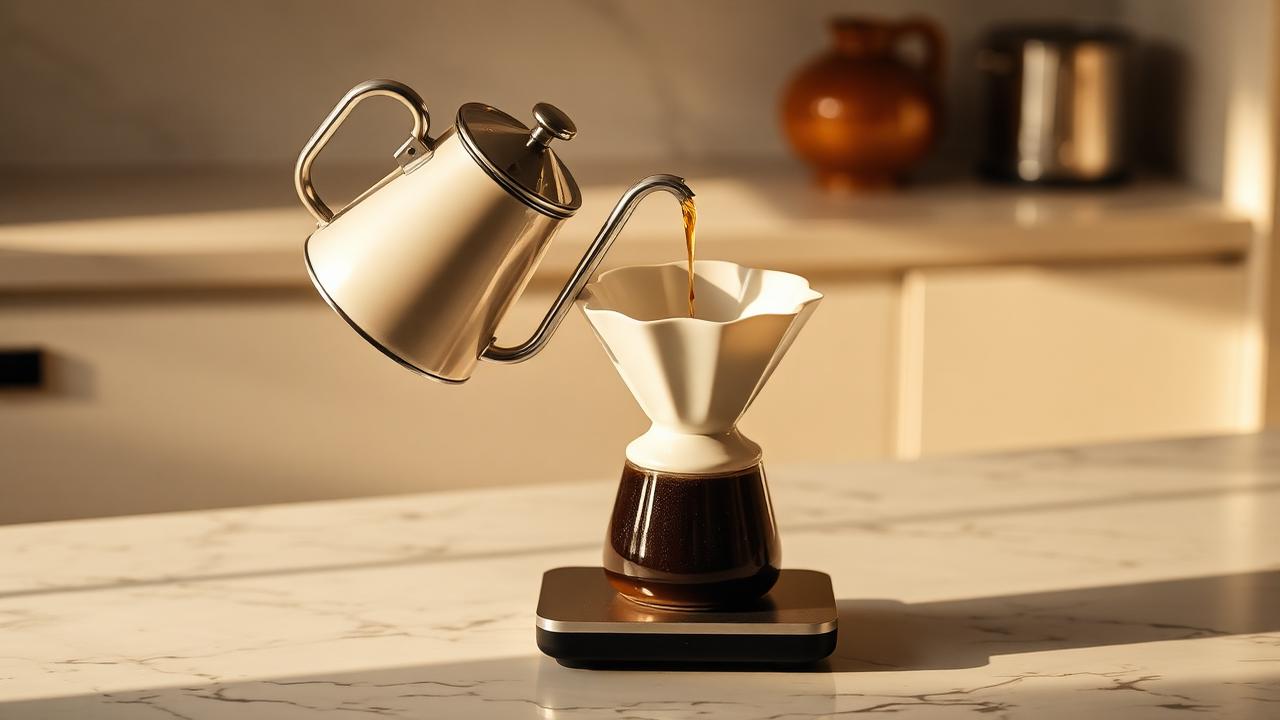
Short answer
Pour over coffee is not automatically better than drip coffee, but it gives you more control over grind size, water temperature, pouring and brew time. That can produce a cleaner, more expressive cup. Drip coffee is usually better for convenience, consistency and brewing multiple servings, especially on busy mornings.
Key takeaways
- Pour over gives greater control over extraction and flavour.
- Drip machines are faster and better for larger batches.
- Fresh coffee, good water and correct grinding matter more than brew method alone.
- A well-set drip machine can make excellent coffee.
- Choose pour over for ritual and precision; choose drip for convenience.
Is pour over coffee better than drip coffee?
Pour over coffee can be better than drip coffee when your priority is flavour clarity and hands-on control. With a pour over brewer, you decide how much coffee to use, how fine to grind it, how quickly to pour, how hot the water is and how long the coffee brews. Small changes in these variables can bring out more sweetness, fruit, florals or chocolate notes from a good specialty coffee.
However, drip coffee is not inherently inferior. A quality automatic drip machine can brew balanced, satisfying coffee with far less effort. It is particularly useful when you need two to eight cups at once, want the same result every day, or do not have time to stand over a kettle. The better choice depends on what you value most: control and ritual, or speed and repeatability.
The quality of the coffee itself remains decisive. Stale beans, poor water and an unsuitable grind will make disappointing coffee in any brewer. Freshly roasted whole beans, ground just before brewing, can improve both methods more dramatically than switching from a drip machine to pour over. Start with good ingredients, then select the brewer that fits your routine.
- 01Choose pour over for single cups, experimentation and flavour separation.
- 02Choose drip for batch brewing, convenience and low-effort consistency.
- 03Use freshly ground coffee for either method.
- 04Treat water quality as a core brewing variable, not an afterthought.
What is the main difference between pour over and drip coffee?
Pour over coffee is a manual filter-brewing method. Hot water is poured by hand over ground coffee held in a paper, cloth or metal filter. The brewer controls the water flow and can adapt the technique to each coffee. Common pour over brewers include the V60, Kalita Wave, Origami and Chemex, each of which affects flow rate and body slightly differently.
Drip coffee usually means coffee made in an automatic filter machine. The machine heats water and distributes it over a bed of ground coffee, then lets the brewed coffee drip into a carafe or cup. Most household machines use paper filters, although some include reusable metal filters. The brewing principle is similar to pour over: water passes through coffee grounds by gravity.
Because both methods are filtered, they can produce comparable cups when the recipe, water and coffee are well matched. The practical distinction is who controls the extraction. In pour over, the brewer makes decisions during every stage. In automatic drip, the machine makes most of those decisions, based on its showerhead design, water temperature, flow pattern and brew programme.
- 01Pour over: manual water delivery and usually one to two cups.
- 02Drip machine: automated water delivery and often several cups.
- 03Both methods use gravity and filtration.
- 04Paper filters generally produce a cleaner cup than metal filters.
Does pour over coffee taste better?
Pour over often tastes cleaner and more detailed because it allows careful control of extraction. A skilled brewer can slow down the pour for a dense coffee, speed it up for a more soluble coffee, or adjust the grind when the brew tastes sharp, thin or dry. Paper filters also remove much of the coffee oil and sediment, helping distinct flavour notes appear more clearly.
This clarity is especially noticeable with lightly roasted coffees and coffees with bright acidity. A washed Ethiopian coffee may show jasmine, citrus and tea-like sweetness in a well-brewed pour over. A coffee from Colombia may show caramel, red fruit and cocoa with a lighter body than it would in a French press. These are not necessarily better flavours; they are simply more separated and transparent.
Drip coffee can taste equally enjoyable, but lower-cost machines sometimes struggle with even water distribution or sufficient brewing temperature. That can lead to under-extracted coffee that tastes sour, weak or hollow. A capable machine with a properly sized brew basket, good showerhead coverage and water near the correct range can make a cup that is very close to manual pour over, particularly with medium roasts.
- 01Under-extracted coffee can taste sour, salty, thin or sharply acidic.
- 02Over-extracted coffee can taste dry, bitter, woody or harsh.
- 03A balanced cup tastes sweet, clear and pleasantly structured.
- 04Taste preference matters: some drinkers prefer the fuller body of machine-brewed coffee.
How much control does pour over give you?
Pour over gives meaningful control, but that control is only useful if it is applied consistently. The key variables are dose, water quantity, grind size, water temperature, agitation and total brew time. Changing one variable at a time makes it easier to learn what improved or worsened the cup. A scale and timer are more valuable than an expensive collection of brewers.
Grind size is usually the first adjustment to make. If a brew runs too quickly and tastes weak or sour, grind a little finer. If it stalls, tastes bitter or leaves a drying finish, grind a little coarser. The right setting varies between grinders and coffees, so there is no universal number. Use the drawdown and taste as your guide.
Manual pouring also changes how evenly water reaches the coffee bed. Gentle circular pours can keep the grounds saturated without creating excessive agitation. Aggressive pouring may increase extraction, but it can also move fines towards the filter and slow the brew. This is why pour over rewards attention: the person brewing is part of the equipment.
- 01Coffee dose controls strength.
- 02Grind size strongly affects extraction speed.
- 03Water temperature affects how readily flavour compounds dissolve.
- 04Pour rate and agitation affect evenness.
- 05Brew time helps diagnose whether the grind needs adjustment.
What is a reliable pour over recipe for one cup?
A dependable starting recipe for one cup is 15 g of coffee to 250 ml of water, giving a 1:16.7 brew ratio. This produces a balanced filter coffee for many light to medium roasts. Use filtered water where possible, especially if your tap water has a strong mineral taste or chlorine smell. A gooseneck kettle helps with precision, but a steady ordinary kettle can still work.
For most specialty coffees, begin with water at 92 to 96 °C. Use the lower end of that range for darker roasts and the upper end for lighter roasts. Aim for a medium-fine grind: finer than a typical French press grind, but not as fine as espresso. Total brew time commonly falls between 2 minutes 30 seconds and 3 minutes 30 seconds, depending on brewer, coffee and grinder.
Do not treat the recipe as a rigid rule. If the finished coffee is too intense but otherwise pleasant, use more water or slightly less coffee. If it is watery, increase the dose before making major grind changes. If it is sour, try a finer grind or slightly hotter water. If it is bitter and drying, grind coarser or reduce water temperature.
- 011. Weigh 15 g coffee and grind it medium-fine.
- 022. Rinse the paper filter with hot water and discard the rinse water.
- 033. Add the grounds, level the bed and start the timer.
- 044. Pour 45 ml water, then wait 30 to 40 seconds for the bloom.
- 055. Pour steadily to 150 ml by 1 minute 15 seconds.
- 066. Continue pouring to 250 ml and finish around 2 minutes 30 seconds to 3 minutes 30 seconds.
When is a drip coffee machine the better choice?
A drip coffee machine is the better choice when coffee needs to fit around a busy household, office or service routine. It can prepare a full carafe while you make breakfast, answer messages or get ready for work. This matters more than brewing theatre for many people. A method you can use consistently is often more valuable than a technically superior method that stays in a cupboard.
Batch size is another clear advantage. Brewing 1 litre of coffee by pour over is possible, but it requires attention and a large brewer. An automatic machine can handle that volume with less physical effort and fewer opportunities to lose track of timing. For four to six servings, use a machine designed for batch brewing rather than repeatedly making small manual cups.
The strongest argument for drip is repeatability. Once you find a dose and grind setting that work, a good machine can reproduce that recipe every morning. Look for a model that heats water adequately, wets the coffee bed evenly and has a brew basket suited to the batch size. Avoid leaving brewed coffee on a hot plate for long periods, as it can develop a cooked, bitter taste.
- 01Use drip for families, meetings and larger batches.
- 02Brew only the amount you plan to drink within about 30 minutes.
- 03Store brewed coffee in an insulated carafe rather than on a hot plate.
- 04Match the coffee dose to the machine's intended batch size.
Is pour over more expensive than drip coffee?
A basic pour over setup can be inexpensive. A plastic cone brewer, paper filters, scale and kettle are enough to make excellent coffee. The largest upgrade is usually the grinder, not the brewer. A consistent burr grinder makes it easier to control extraction, whereas a blade grinder creates uneven particles that brew at different rates and can make a cup taste both sour and bitter.
An automatic drip machine can cost more upfront, particularly if you choose one with a thermal carafe and good temperature control. It may be more economical for larger households because it can make several servings in one cycle. Both methods use filters and electricity or gas to heat water, so ongoing costs are broadly similar when brewing the same quantity of coffee.
Coffee consumption should also be considered. A standard filter ratio of 60 g coffee per litre works for either method. If you brew 500 ml each morning, expect to use around 30 g of coffee. Chasing a stronger cup by adding much more coffee is rarely the best first fix; adjust the ratio carefully, then refine grind and extraction.
- 01Useful pour over essentials: brewer, filters, scale, kettle and burr grinder.
- 02Useful drip machine features: thermal carafe, even showerhead and suitable brew capacity.
- 03Starting filter ratio: 60 g coffee per 1 litre water.
- 04A 250 ml cup commonly uses 15 g coffee at a 1:16.7 ratio.
Which method should beginners choose?
Beginners should choose the method they are most likely to use regularly. If you enjoy learning through repetition and can spare five minutes for one cup, pour over is an excellent way to understand coffee. It teaches you how grind size, ratio and brewing time affect taste. The feedback is immediate, and even small improvements can be easy to notice.
If mornings are rushed, start with a good drip machine and build a simple routine around weighing coffee and grinding fresh. You can still improve your brewing substantially without manually pouring water. Use a consistent ratio, clean the machine frequently and replace paper filters as needed. These habits will give you a stronger foundation than buying complicated equipment without a repeatable process.
At Capra Café, we encourage people to think of pour over and drip as tools rather than opposing camps. A manual brewer can be ideal for a quiet weekend cup or a distinctive single-origin coffee. A drip machine can be ideal for everyday hospitality. The best coffee method is the one that produces a cup you enjoy and can brew well, again and again.
- 01Pick pour over if you want to learn and brew one cup at a time.
- 02Pick drip if you prioritise speed and multiple servings.
- 03Use a scale before buying advanced accessories.
- 04Keep notes on dose, water, grind and taste for faster improvement.
Frequently asked questions
Is pour over coffee stronger than drip coffee?
Pour over coffee is not automatically stronger than drip coffee. Strength depends mainly on the coffee-to-water ratio, not the brewer. For example, 15 g coffee with 250 ml water is a moderate filter recipe for either method. Pour over may taste more intense because its flavours can be clearer, while drip coffee can be just as strong when brewed with the same ratio.
Is pour over coffee healthier than drip coffee?
Pour over and paper-filtered drip coffee are similarly health-conscious choices because paper filters trap much of the coffee oil and fine sediment. The main difference is not the brewing method but what you add afterwards, such as sugar, syrups or cream. If health is your concern, use fresh coffee, filtered water and moderate additions rather than focusing only on pour over versus drip.
Why does my pour over coffee taste sour?
Sour pour over coffee is commonly under-extracted, meaning the water did not dissolve enough flavour from the grounds. Try grinding slightly finer, using water closer to 94 to 96 °C, extending the brew time, or pouring more evenly. Check that you are using enough water for the dose and that the coffee bed is fully saturated during the initial bloom.
Can a drip coffee maker make specialty coffee well?
Yes, a good drip coffee maker can make specialty coffee very well. Use freshly roasted beans, grind immediately before brewing and measure the dose accurately. Start around 60 g coffee per litre of water, then adjust to taste. Machines with even water distribution, proper heating and an insulated carafe generally produce better results than basic models with weak heating or hot plates.
What grind size should I use for pour over versus drip coffee?
Both pour over and drip coffee typically use a medium to medium-fine grind, but the exact setting depends on the brewer and machine. Cone-shaped pour over brewers often need a slightly finer grind than flat-bottom drip baskets. If coffee tastes sour and brews too fast, grind finer. If it tastes bitter, dry or brews too slowly, grind coarser.
Keep reading
- Best Pour Over Technique for Sweetness
- How Many Grams of Coffee for Pour Over?
- How to Bloom Coffee and Why It Matters