Brewing basics · 7 min read
What Water Temperature Is Best for Coffee?
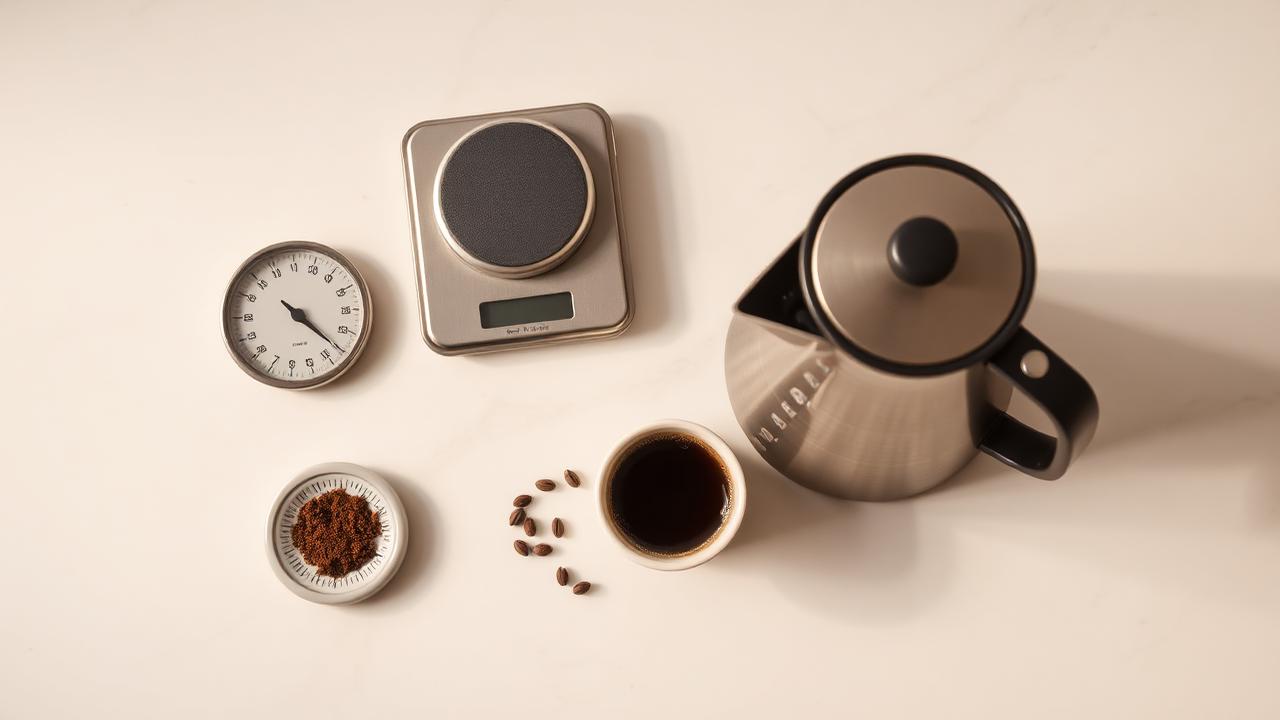
Short answer
For most coffee, the best water temperature is 90–96°C. Use 92–96°C for light roasts, 90–94°C for medium roasts, and 88–92°C for darker roasts. Water that is too cool can taste sour and thin; water that is too hot can draw bitter, dry flavours, especially from dark coffee.
Key takeaways
- Use 90–96°C for most brewed coffee.
- Choose hotter water for light roasts and slightly cooler water for dark roasts.
- Keep pour-over water near 92–96°C for reliable extraction.
- Use 88–94°C for French press, depending on roast and grind.
- Adjust temperature after checking grind size, dose and brew time.
What water temperature is best for coffee?
The best water temperature for coffee is usually between 90°C and 96°C. This range is hot enough to dissolve the sugars, acids and aromatic compounds that make coffee taste balanced, without aggressively extracting woody bitterness or harsh astringency. A dependable starting point for most home brewing is 94°C for a light or medium roast, then small adjustments according to the cup you taste.
Water temperature is not a separate trick that fixes every bad brew. It works alongside grind size, coffee dose, contact time, agitation and water composition. If a cup is sour, weak and underdeveloped, hotter water may help, but so might a finer grind or longer brew. If it is bitter, drying and heavy, lower the temperature only after checking whether the grind is too fine or the brew ran too long.
For practical use, aim for a temperature change of 1–2°C at a time. Large changes make it hard to identify what improved the cup. Write down your recipe, including coffee mass, water mass, temperature and brew time, so you can repeat a good result rather than guessing the next time.
- 01Light roast starting range: 92–96°C
- 02Medium roast starting range: 90–94°C
- 03Dark roast starting range: 88–92°C
- 04General all-purpose starting point: 93–94°C
Why does water temperature change coffee flavour?
Hot water dissolves coffee material more readily than cool water. During brewing, it draws out fruit acids, sugars, soluble solids and bitter compounds at different rates. The goal is not to extract everything from the grounds; it is to extract enough of the desirable material to create sweetness, clarity and body while leaving excessive bitterness and dryness behind.
Higher temperatures generally increase extraction. This can make a light roast taste sweeter, fuller and more expressive, because light-roasted beans are denser and their soluble material can be harder to access. However, if the water is too hot for the coffee or recipe, the cup can become rough, bitter or hollow, particularly near the end of a long brew.
Lower temperatures slow extraction. This can be useful for a dark roast, where roast-derived bitter compounds dissolve readily and can dominate the cup. But water that is much too cool often produces a coffee that tastes sharp, salty, thin or oddly vegetal. Those flavours are commonly signs that the brew is under-extracted rather than proof that the coffee is naturally acidic.
- 01Too cool: sour, salty, thin, weak or grassy
- 02In range: sweet, balanced, clear and rounded
- 03Too hot or over-extracted: bitter, dry, harsh or woody
What temperature should you use for light, medium and dark roasts?
Roast level is one of the most useful guides for choosing a starting temperature. Light roasts retain more density and often benefit from hotter water. Start at 94–96°C for a light filter roast, particularly if it is grown at high altitude or tastes tight and acidic at lower temperatures. A hotter brew can open up sweetness and make citrus or floral notes feel more complete rather than sour.
Medium roasts are generally flexible. For filter coffee, 91–94°C is a sensible range, while 92–94°C works well for many balanced espresso-style or immersion recipes. Medium roasts often show their best character when the temperature supports both sweetness and roast development without turning caramel notes into bitterness.
Dark roasts usually need a gentler approach because they are more porous and extract quickly. Start between 88°C and 92°C. This is especially relevant for coffees with visible surface oil, pronounced smoke, dark chocolate or roasted nut flavours. Lowering the temperature can reduce harshness, but avoid going so low that the brew loses body and tastes empty.
- 01Light roast filter coffee: 94–96°C
- 02Medium roast filter coffee: 91–94°C
- 03Dark roast filter coffee: 88–92°C
- 04Very dark roast or oily coffee: begin around 88–90°C
What water temperature is best for pour-over coffee?
For pour-over methods such as V60, Kalita Wave and Chemex, use 92–96°C as a practical working range. Start at 94°C for a light-to-medium roast and adjust from there. Pour-over brewing has relatively short contact time and relies on water moving through a coffee bed, so temperature helps maintain extraction as the slurry cools during the brew.
Choose the hotter end of the range when the coffee is light roasted, the grinder is producing a fairly coarse filter grind, or the cup tastes lemony and hollow. Choose 91–93°C when brewing a more developed roast, a naturally processed coffee with heavy fruit intensity, or a coffee that becomes bitter and drying at higher heat. These are starting points, not fixed rules.
Keep your pouring kettle covered between pours where possible, especially in a cool kitchen. Water can lose several degrees during transfer and brewing. A thick ceramic dripper, paper filter and server also absorb heat. Preheating the brewer and server with hot water helps the brewing temperature stay closer to the figure shown on your kettle.
- 01V60 starting recipe: 15 g coffee, 250 ml water, 94°C, 2:30–3:15
- 02Kalita Wave starting recipe: 20 g coffee, 320 ml water, 93°C, 3:00–3:45
- 03Chemex starting recipe: 30 g coffee, 500 ml water, 94–96°C, 4:00–5:00
- 04Bloom with roughly twice the coffee weight in water for 30–45 seconds
What water temperature is best for French press and immersion brewing?
French press, Clever Dripper and other immersion methods generally work well between 88°C and 94°C. Because coffee and water remain together for the full brewing time, immersion can extract efficiently even at a slightly lower temperature than a fast pour-over. Start at 92°C for a medium roast and assess the cup before changing other variables.
A standard French press recipe is 30 g coffee to 500 ml water, using a coarse grind. Add water at 92°C, stir gently to wet all the grounds, steep for 4 minutes, then break the crust and remove floating grounds. For a cleaner cup, allow a further 4–6 minutes for fine particles to settle before pouring carefully. The water cools throughout this process, which is normal.
If the French press tastes bitter or heavily drying, first try 90°C rather than shortening the steep drastically. If it tastes weak and sharp, try 93–94°C or grind slightly finer. Since immersion brewing keeps the grounds in contact with water for a long period, changing temperature by 2°C can be more noticeable than it is in a short espresso shot.
- 01French press: 30 g coffee, 500 ml water, 90–93°C, 4 minutes
- 02Clever Dripper: 18 g coffee, 300 ml water, 92–94°C, 2:30–3:00 steep
- 03Cold room or cold brewer: preheat the vessel and begin 1–2°C hotter
Does espresso need boiling water?
No. Espresso machines normally brew at approximately 90–96°C at the coffee puck, not with boiling water. The temperature displayed on a machine may not exactly match the temperature at the puck because heat is lost through the group head, portafilter and flowing water. Most café espresso recipes begin around 92–94°C, then are adjusted for the coffee and desired flavour profile.
Light-roasted espresso often benefits from 93–95°C to improve sweetness and reduce sharp acidity. Medium roasts commonly work around 91–94°C. Darker espresso may taste smoother around 89–92°C, particularly when it has a traditional chocolate-forward profile. Temperature should be adjusted carefully because pressure, dose, yield and shot time strongly affect espresso extraction as well.
A useful baseline is 18 g of ground coffee yielding 36 g of espresso in 25–32 seconds. If that shot is sour and thin, first confirm the yield and grind before raising the temperature. If it is bitter and dry, check for a slow shot or excessive yield before lowering it. Temperature is a fine-tuning control, not a substitute for a sound espresso recipe.
- 01Light espresso: 93–95°C
- 02Medium espresso: 91–94°C
- 03Dark espresso: 89–92°C
- 04Baseline shot: 18 g in, 36 g out, 25–32 seconds
How do you brew coffee without a temperature-controlled kettle?
You do not need a temperature-controlled kettle to make good coffee. Bring fresh water to a full boil, turn off the heat, and wait before pouring. In an uncovered kettle at normal room temperature, water often drops into a useful filter-coffee range after roughly 30–90 seconds, but the exact cooling rate depends on the kettle material, volume of water and room conditions. A thermometer is more reliable if you want consistency.
For a medium roast pour-over, use boiled water after about 45–60 seconds as a starting point. For a darker roast, wait closer to 90 seconds. For a light roast, pour sooner, usually 20–40 seconds after boiling, while taking care with steam and splashing. Preheating your dripper and server matters because cold equipment can lower the temperature more than expected.
A simple digital probe thermometer is often more useful than expensive equipment when learning. Measure the water just before it meets the coffee, rather than immediately after boiling. Once you find a waiting time that works with your kettle and recipe, repeat it. Consistency lets you judge the coffee itself rather than chasing changing variables.
- 01Light roast: pour about 20–40 seconds after boiling
- 02Medium roast: pour about 45–60 seconds after boiling
- 03Dark roast: pour about 75–90 seconds after boiling
- 04Preheat brewer, paper filter and server before brewing
How should you adjust temperature when coffee tastes wrong?
Use flavour as a guide, but change one variable at a time. If coffee tastes sour, watery or unfinished, increase the water temperature by 1–2°C and brew again with the same dose, grind and time. If the coffee is still sour after a small temperature increase, then consider a finer grind or a longer contact time. Several changes at once make diagnosis difficult.
If the cup tastes bitter, overly roasty, dry or mouth-puckering, lower the temperature by 1–2°C. Then check whether your brew is running slowly, whether the grind is too fine, or whether you are using too much agitation. A bitter cup can be caused by excessive extraction, but it can also come from the coffee’s roast profile. Temperature cannot remove every roast-derived flavour.
At Capra Café, we teach brewers to establish a stable recipe before making temperature adjustments. Start with a measured dose, water mass and brew time. Once those are repeatable, temperature becomes a precise flavour tool rather than another source of uncertainty. The aim is a cup that is sweet enough, structured enough and enjoyable to finish.
- 01Sour and thin: raise temperature 1–2°C
- 02Bitter and dry: lower temperature 1–2°C
- 03Flat but not bitter: try 1°C hotter before changing grind
- 04Harsh dark roast: try 2°C cooler and keep other variables fixed
Frequently asked questions
Is 100°C water too hot for coffee?
Boiling water at 100°C is usually too hot to pour directly onto most coffee, especially dark roasts. It can increase bitterness and harshness, although a light roast may tolerate water close to boiling in a preheated brewer. For more consistent results, use 92–96°C for light roasts, 90–94°C for medium roasts and 88–92°C for dark roasts.
Can water that is too cold make coffee sour?
Yes. Water that is too cool often under-extracts coffee, leaving sharp acidity without enough sweetness and body to balance it. The cup may taste sour, thin, salty or grassy. Before blaming temperature alone, check your grind and brew time. If those are sensible, raise the water temperature by 1–2°C and compare the result.
What temperature should water be for instant coffee?
For instant coffee, use water around 80–90°C rather than freshly boiling water. Extremely hot water can make some instant coffees taste harsh and can reduce delicate aroma. A practical method is to boil the water, wait 1–2 minutes, then mix. Follow the package dose guidance, and adjust the amount of water to suit your preferred strength.
Does water temperature matter for cold brew coffee?
Cold brew is intentionally made with cold or room-temperature water, typically around 4–25°C, and needs much longer contact time than hot coffee. A common starting recipe is 100 g coarse coffee to 1 litre water, steeped for 12–18 hours in the refrigerator. Because extraction is slower, cold brew tastes smoother but may have less aromatic complexity than hot-brewed coffee.
Should I use hotter water for lighter coffee roasts?
Usually, yes. Light roasts are denser and can be harder to extract fully, so water around 92–96°C often helps reveal sweetness, body and flavour clarity. Begin at 94°C for filter coffee and taste the result. If it remains sharp and underdeveloped, raise the temperature slightly. If it becomes dry or bitter, lower it by 1–2°C.
Keep reading
- Best Coffee to Water Ratio for Beginners
- Coffee Grind Size Chart Explained
- Does Water Quality Affect Coffee Taste?