Cold brew · 7 min read
How to Make Cold Brew Coffee at Home
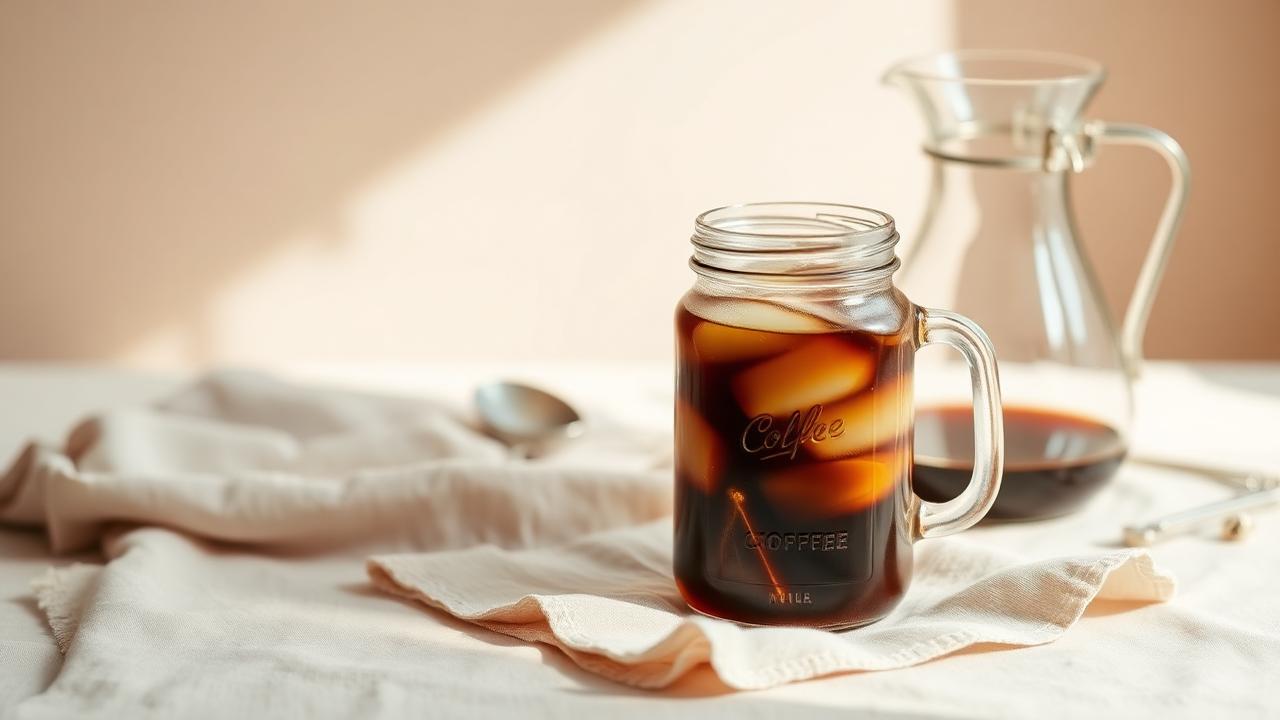
Short answer
To make cold brew coffee at home, combine 100 g coarsely ground coffee with 1 litre cold filtered water, stir until fully saturated, and steep covered in the fridge for 12 to 18 hours. Filter twice for clarity, then serve the concentrate diluted with water or milk over ice. Store refrigerated for up to 7 days.
Key takeaways
- Use a coarse grind to make filtering easier and reduce sediment.
- A 1:10 coffee-to-water ratio makes a versatile cold brew concentrate.
- Steep for 12 to 18 hours in the fridge; longer is not always better.
- Filter through a sieve and paper filter for a clean, smooth cup.
- Dilute concentrate to taste with water, milk or ice before serving.
What is the simplest way to make cold brew coffee at home?
Cold brew is coffee made by steeping ground coffee in cold or room-temperature water for many hours rather than brewing it with heat. The method is simple: measure coffee and water, combine them in a covered jar or jug, wait, then filter. Because extraction happens gradually, the finished drink is usually smooth, rounded and less sharply acidic than hot coffee served cold.
For a reliable first batch, use 100 g of coarse-ground coffee and 1 litre of filtered water. This produces a concentrate that is strong enough to pour over ice and dilute with water or milk. You do not need a dedicated cold brew maker. A large jar, French press, cafetière, jug or food-safe container works well, provided it can be covered and filtered cleanly.
Cold brew is not the same as iced coffee. Iced coffee is normally hot-brewed coffee chilled over ice, while cold brew is never brewed with hot water. The two drinks can use the same beans, but their flavour, extraction and preparation are different. Cold brew takes more planning, but only a few minutes of hands-on work.
- 01Best starting ratio: 100 g coffee to 1 litre water
- 02Grind: coarse, similar to raw sugar crystals
- 03Steep: 12 to 18 hours in the fridge
- 04Filter: fine sieve followed by paper filter
- 05Serve: 1 part concentrate to 1 to 2 parts water or milk
What coffee and water should you use for cold brew?
Choose coffee that you enjoy drinking, then adjust the recipe rather than assuming cold brew requires a dark roast. Medium and medium-dark roasts are easy starting points because they tend to give chocolate, caramel, nut and dried-fruit notes with milk or water. A lighter roast can make an excellent cold brew too, though it may need a little more time and can show more floral or citrus-like character.
Freshly roasted whole beans are preferable, and grinding immediately before brewing gives a more aromatic result. Ask for a coarse grind if you do not own a grinder. Fine coffee grounds can over-extract, create muddy flavours and make filtering slow. If your grinder produces many powdery fines, sift is unnecessary, but use a slightly shorter steep and a paper filter at the end.
Water matters because cold brew is mostly water and contains no hot brewing stage to disguise chlorine or unpleasant mineral flavours. Use cold filtered drinking water where possible. In Lahore, filtered water is generally a safer and more consistent choice than tap water for both flavour and equipment hygiene. Avoid distilled water, which can make coffee taste flat and underdeveloped.
- 01Medium roast: balanced, chocolate-forward and forgiving
- 02Medium-dark roast: fuller body and lower perceived acidity
- 03Light roast: brighter, more delicate and often best at 14 to 18 hours
- 04Filtered water: cleaner and more consistent flavour
- 05Pre-ground coffee: usable, but buy small quantities and keep it sealed
What cold brew ratio should you use?
The coffee-to-water ratio determines whether you make a ready-to-drink cold brew or a concentrate. A concentrate is more flexible for home use because you can dilute each glass differently. Start at 1:10 by weight, meaning 1 g coffee for every 10 g or ml of water. In practical terms, 100 g coffee with 1 litre water is a dependable home recipe.
For a ready-to-drink batch, use a weaker ratio such as 1:15 to 1:16. That means 65 to 70 g coffee per 1 litre water. This version can be poured straight over ice, although melting ice will still dilute it. If you find the result weak, use less dilution next time rather than automatically steeping for much longer.
Measure by weight instead of tablespoons. Coffee beans vary in size, roast level and density, so scoop measurements are imprecise. A basic digital scale is enough. Remember that some water remains trapped in the grounds after filtering, so 1 litre of brewing water will yield less than 1 litre of finished concentrate.
- 01Concentrate: 100 g coffee to 1,000 ml water, or 1:10
- 02Ready to drink: 65 g coffee to 1,000 ml water, about 1:15
- 03Single strong serving: 25 g coffee to 250 ml water
- 04Diluting concentrate: begin with 100 ml concentrate plus 100 to 200 ml water
- 05For milk: try 80 ml concentrate plus 120 ml cold milk and ice
How do you make cold brew coffee step by step?
Use a clean container with enough room to stir without spilling. A 1.5-litre jar is suitable for the 1-litre recipe. Add the coffee first, then pour in the water slowly. This helps the grounds become evenly wet. Stir thoroughly with a clean spoon for about 20 seconds, checking that no dry pockets remain floating on the surface.
Cover the container and place it in the refrigerator. Cold steeping is easy to manage and produces a consistent result, especially in a warm climate. Room-temperature steeping can work, but it is less predictable and needs closer attention to cleanliness and time. Do not keep opening or stirring the brew while it steeps; agitation after the initial mix is unnecessary.
After steeping, filter the coffee through a fine sieve to remove the bulk of the grounds. Then filter it again through a paper coffee filter, clean cloth filter or filter bag. The second filter is worth the effort because it removes fine sediment that can make cold brew taste gritty, bitter or stale as it sits in the fridge.
- 011. Weigh 100 g coarse coffee into a clean 1.5-litre container.
- 022. Add 1,000 ml cold filtered water.
- 033. Stir for 20 seconds until all grounds are saturated.
- 044. Cover and refrigerate for 12 to 18 hours at about 4 °C.
- 055. Strain through a fine sieve for 30 to 60 seconds.
- 066. Filter through paper until the liquid runs clear, then refrigerate.
How long should cold brew steep?
For most coffees, 12 to 18 hours in the fridge is the useful range. Begin at 14 hours if you are using a medium or medium-dark roast, then taste the finished brew. If it tastes thin, short or overly bright, extend the next batch by two hours. If it tastes woody, harsh or overly dry, shorten the steep. Treat time as a flavour adjustment, not a test of patience.
A longer steep does not guarantee a stronger or better cold brew. Eventually, less pleasant compounds can become more noticeable, particularly with very dark roasts or finely ground coffee. Strength is more reliably controlled by the ratio and by dilution. If you want a bolder drink, use a slightly stronger concentrate rather than pushing a batch far beyond 18 hours.
Temperature changes steeping speed. A refrigerator at roughly 4 °C extracts more slowly than a kitchen counter. In very hot weather, leaving coffee at room temperature for a long period can produce inconsistent flavour and raises practical food-safety concerns, especially if the container or water is not clean. Refrigerated brewing is the sensible default for home preparation.
- 0110 to 12 hours: lighter body and gentler flavour
- 0212 to 14 hours: good starting range for medium-dark coffee
- 0314 to 18 hours: fuller extraction for most medium and light coffees
- 04Over 18 hours: may taste woody, dry or overly bitter
- 05Fine grind: shorten the steep rather than extending it
How should you filter and store cold brew?
Filtering is where many home batches improve most. A metal mesh filter removes larger particles but lets through very fine coffee sediment. That sediment can continue to affect flavour, particularly after a day or two in the fridge. For a cleaner, sweeter cup, use a two-stage process: first a sieve, then a paper filter. If you use a French press, press gently and still pour the coffee through paper for the cleanest result.
Do not force the last cloudy liquid through the filter. When the final portion is full of fines, it can clog paper filters and bring bitterness into the batch. Let the coffee drain naturally. If the filter stalls, replace it rather than squeezing grounds or pressing hard. A slower filter is usually a sign that the grind was too fine or the coffee was stirred too aggressively after steeping.
Transfer filtered cold brew to a clean, sealed bottle or jar and refrigerate it promptly. Label the container with the brewing date. A well-filtered batch is best within 5 to 7 days, though its aroma is most vivid in the first few days. Discard it if it develops an unusual smell, visible mould, fizzing or any sign of spoilage.
- 01Use a clean, odour-free glass bottle or food-safe sealed container
- 02Store at 4 °C or colder
- 03Keep concentrate away from strong-smelling foods
- 04Use within 5 to 7 days for the best flavour
- 05Never add milk to the main storage bottle; add it per serving
How do you serve cold brew coffee?
Serve cold brew concentrate over plenty of ice, then add cold water or milk. A practical starting point is equal parts concentrate and water: 100 ml cold brew with 100 ml water. For a lighter drink, use 1 part concentrate to 2 parts water. Taste before adding sugar because a well-made cold brew can be naturally sweet in its impression, even without sweetener.
For a cold brew latte, combine 80 to 100 ml concentrate with 120 to 180 ml cold milk. Dairy milk brings a rounded, chocolate-like profile, while oat milk can add sweetness and body. If you prefer plant milk, choose one labelled for barista use only if you want a creamier texture; ordinary versions are also fine when simply poured over ice.
Simple flavour additions work best when they support rather than cover the coffee. Try a small amount of vanilla syrup, date syrup or a pinch of salt in a glass that tastes overly bitter. For a more café-style finish, shake cold brew, milk and ice in a sealed shaker for 10 seconds, then strain into a fresh glass. Capra Café recommends tasting the coffee black first so you understand its base flavour before adjusting it.
- 01Black cold brew: 100 ml concentrate, 100 to 200 ml water, ice
- 02Cold brew latte: 80 ml concentrate, 150 ml milk, ice
- 03Sweetened version: add 5 to 10 ml syrup, then taste
- 04Shaken drink: shake for 10 seconds with ice
- 05Avoid hot water if you want to preserve the cold-brew flavour profile
How can you fix bitter, weak or cloudy cold brew?
If cold brew tastes bitter, dry or unpleasantly heavy, first check the grind. Coffee that is too fine is the most common cause because it extracts quickly and releases more sediment. Use a coarser grind, shorten the steep by two to four hours, and filter through paper. Very dark coffee can also taste ashy when concentrated, so try a medium roast or dilute the finished drink more generously.
If the brew tastes weak, do not assume it needs a 24-hour steep. Check whether you made a ready-to-drink recipe but expected concentrate-level strength. Increase the amount of coffee in the next batch, such as moving from 65 g to 85 g per litre, or use less dilution in the glass. Also ensure that the grounds were fully saturated at the start; dry clumps do not extract effectively.
Cloudiness is usually harmless but affects texture and flavour clarity. It comes from fine particles passing through a mesh filter. Filter again with paper, allow the brew to settle in the fridge for an hour, then pour off the clearer liquid carefully. At Capra Café, we favour a clean, paper-filtered cold brew because it stays brighter and more composed over several days.
- 01Bitter or dry: grind coarser, steep less time, filter with paper
- 02Weak: use more coffee or dilute less
- 03Sour or thin: steep 2 hours longer or use a slightly finer coarse grind
- 04Cloudy: filter a second time and avoid squeezing grounds
- 05Flat: use fresher coffee and filtered water
Frequently asked questions
Can you make cold brew coffee with regular ground coffee?
Yes, you can use regular ground coffee, but coarse ground coffee works better. Pre-ground coffee is often medium-fine for drip machines, which can make cold brew cloudy, slow to filter and more bitter. If regular ground coffee is all you have, reduce the steep to around 10 to 12 hours and filter carefully through paper before chilling the finished drink.
Should cold brew steep in the fridge or at room temperature?
Steeping in the fridge is the best default for home cold brew. It gives a slower, more consistent extraction and is easier to manage in warm conditions. Room-temperature brewing can be faster, often taking 10 to 14 hours, but temperature varies and flavour can become less predictable. Always use a clean, covered container and refrigerate the coffee after filtering.
How long does homemade cold brew last in the fridge?
Homemade cold brew concentrate generally tastes best within 5 to 7 days when stored in a clean, sealed container at about 4 °C. Paper-filtered coffee keeps its flavour clearer than coffee filtered only through mesh. Store the concentrate separately from milk, cream or flavourings. Discard the batch if it smells unusual, develops fizz, mould or any visible change.
Can you use hot water to make cold brew faster?
No, using hot water changes the process and makes a different drink. Hot water extracts coffee rapidly and creates iced coffee once chilled, rather than cold brew. If you need coffee quickly, brew hot coffee slightly stronger than usual and pour it over ice. For true cold brew, use cold water and allow at least 12 hours for extraction.
What is the best grind size for cold brew coffee?
The best grind for cold brew is coarse, with particles roughly similar in size to raw sugar or coarse sea salt. This slows extraction, reduces bitterness and allows water to pass through the grounds during filtering. A French press-style grind is a useful reference. Avoid powdery, espresso-fine coffee, which produces sediment and can make the final drink harsh.
Keep reading
- Best Beans for Cold Brew Coffee: A Clear Guide
- Cold Brew Ratio Calculator Guide
- Cold Brew vs Iced Coffee Difference Explained