Milk drinks · 7 min read
What Is a Spanish Latte? Recipe and Taste Guide
Short answer
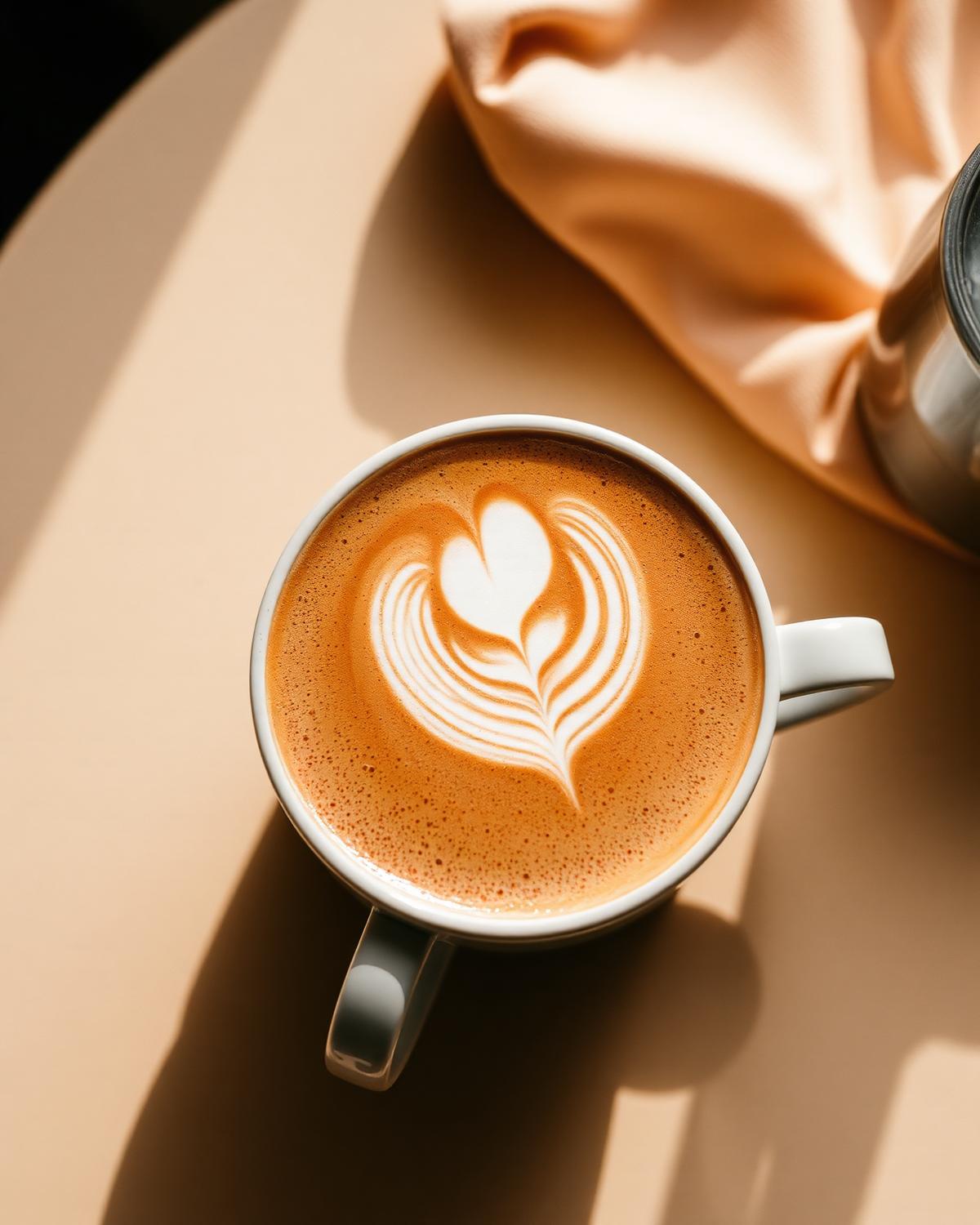
A Spanish latte is an espresso-based milk drink made with espresso, steamed milk and sweetened condensed milk. It is sweeter and richer than a standard latte, with a creamy texture and a caramelised dairy flavour. A typical hot serving uses a double espresso, 20 to 30 g condensed milk and 150 to 180 ml milk.
Key takeaways
- A Spanish latte is espresso, milk and sweetened condensed milk.
- It is noticeably sweeter and richer than a standard latte.
- A double espresso gives the drink enough coffee character to balance the dairy.
- It can be served hot or iced, but condensed milk should be mixed into hot espresso first.
- Whole milk produces the most rounded texture, though alternative milks can work.
What is a Spanish latte?
A Spanish latte is a sweet espresso drink made by combining espresso with sweetened condensed milk and milk. It is usually served hot in a cup or iced in a tall glass. The condensed milk is the defining ingredient: it adds sweetness, body and a cooked-milk flavour that ordinary sugar cannot fully reproduce. The result is creamy and dessert-like, but a well-made version should still taste clearly of coffee.
Despite its name, the Spanish latte is not a fixed traditional café drink from Spain in the same way that a cortado or café con leche has a clear Iberian identity. It has become widely popular in specialty cafés across the Middle East, South-East Asia and beyond, where it is valued for its approachable sweetness and silky texture. Recipes vary, but the espresso, milk and condensed milk combination remains central.
For a balanced cup, start with a double espresso rather than a single shot. Condensed milk has a strong dairy sweetness, so weak coffee quickly disappears beneath it. At Capra Café, the aim would be to preserve espresso aroma and a gentle bitter finish, rather than make a drink that tastes only of sweet milk. The best Spanish lattes are indulgent without being cloying.
- 01Core ingredients: espresso, sweetened condensed milk and milk
- 02Typical hot size: 180 to 240 ml
- 03Typical iced size: 300 to 350 ml
- 04Best coffee base: a double espresso with chocolate, nut or caramel notes
What does a Spanish latte taste like?
A Spanish latte tastes smooth, sweet and creamy, with flavours similar to caramel, fudge and lightly cooked milk. Sweetened condensed milk is made by removing much of the water from milk and adding sugar, so it is thicker and more concentrated than regular milk. When it meets espresso, it softens sharp acidity and amplifies chocolatey, nutty or toasted flavour notes.
The coffee character depends on the espresso. A medium roast with cocoa, brown sugar and hazelnut notes is usually easier to balance than a very light, fruit-forward roast. Bright citrus acidity can work, but it may clash with the dense sweetness of condensed milk. A darker roast can also work, provided it is not excessively smoky or bitter.
Texture is an important part of the experience. Hot versions should feel velvety and full, with fine microfoam rather than a stiff mound of froth. Iced versions are more refreshing but still rich, especially when the condensed milk is fully dissolved in the espresso before ice is added. If it settles at the bottom, the first sips can be overly sweet and the last ones bland.
- 01Sweetness: higher than a regular latte
- 02Body: richer and heavier than a latte
- 03Coffee flavour: mellowed, but still present in a balanced recipe
- 04Common flavour notes: caramel, chocolate, toffee and vanilla-like dairy
How is a Spanish latte different from a regular latte?
The main difference is sweetened condensed milk. A regular latte contains espresso and steamed milk, with no sweetness added unless the customer asks for syrup or sugar. Its flavour is led by the relationship between coffee and fresh milk. A Spanish latte includes condensed milk as part of the recipe, making sweetness and richness intrinsic rather than optional.
A standard latte is often built with a double espresso and roughly 180 to 250 ml of steamed milk, depending on cup size and local café style. A Spanish latte may use a similar amount of fresh milk, but it also includes 20 to 30 g of condensed milk. That extra ingredient changes not only the sweetness but also the drink’s density, dairy flavour and overall calorie content.
The drinks are also served differently in practice. A regular latte is commonly presented with latte art and little or no added flavouring. A Spanish latte may still receive latte art, but its more pronounced sweetness makes it particularly popular over ice. If you prefer coffee-forward milk drinks, choose a regular latte. If you want a sweeter, fuller and more comforting drink, choose a Spanish latte.
- 01Regular latte: espresso plus steamed milk
- 02Spanish latte: espresso, steamed milk and sweetened condensed milk
- 03Regular latte sweetness: naturally occurring milk sugars only
- 04Spanish latte sweetness: substantial, from condensed milk
- 05Regular latte texture: lighter; Spanish latte texture: richer and more viscous
Is a Spanish latte the same as a café con leche?
No. A Spanish latte and a café con leche are different drinks, even though both combine coffee and milk. Café con leche, meaning coffee with milk, is traditionally made with strong brewed coffee or espresso-style coffee and hot milk, often in roughly equal proportions. It is a straightforward milk coffee and may be sweetened at the table according to personal taste.
A Spanish latte, by contrast, is defined by sweetened condensed milk. It is generally sweeter, thicker and more dessert-like than café con leche. Its modern café identity also differs from the everyday, often breakfast-time role of café con leche in Spain. The name Spanish latte can therefore be slightly misleading if it suggests a direct equivalent of a classic Spanish drink.
There are regional variations in coffee culture, and recipes called Spanish coffee can mean different things in different places. Some are made with cinnamon, spirits or flavoured liqueurs, while others use brewed coffee rather than espresso. When ordering, it is sensible to ask whether the café’s Spanish latte includes condensed milk, especially if you are managing sugar intake or have dietary requirements.
- 01Café con leche: coffee and hot milk
- 02Spanish latte: espresso, milk and sweetened condensed milk
- 03Café con leche: usually less sweet unless sugar is added
- 04Spanish latte: sweetness is built into the recipe
How do you make a Spanish latte at home?
Making a Spanish latte at home is simple if you can prepare a concentrated coffee base. Espresso is ideal because it has enough intensity to cut through the condensed milk and milk. If you do not own an espresso machine, a moka pot or strong Aeropress coffee can produce a good alternative. Avoid weak filter coffee, as the drink can become overly milky and sweet.
Use sweetened condensed milk, not evaporated milk. Evaporated milk is unsweetened and thinner, so it will not create the same flavour or texture. Start modestly with the condensed milk, then adjust on the next drink. It is easier to add sweetness than to correct an overly sweet cup. The same principle applies to flavoured additions such as vanilla or cinnamon: they should sit behind the coffee, not hide it.
For hot drinks, dissolve the condensed milk in freshly extracted espresso before adding steamed milk. This ensures a consistent taste from first sip to last. For iced drinks, follow the same order, then cool the mixture briefly with a small splash of cold milk before adding ice. Pouring hot espresso directly onto a full glass of ice can dilute the drink quickly and leave it tasting thin.
- 011. Grind and dose 18 g coffee for a double espresso.
- 022. Extract 36 to 40 g espresso in 25 to 32 seconds.
- 033. Stir 20 to 25 g sweetened condensed milk into the hot espresso.
- 044. Steam 160 ml whole milk to 55 to 60 °C, with fine microfoam.
- 055. Pour the milk into the espresso mixture and serve at about 60 to 65 °C.
- 06Iced version: use 120 ml cold milk, 20 to 25 g condensed milk and 120 to 150 g ice.
Which milk and coffee work best in a Spanish latte?
Whole dairy milk is the easiest choice for a Spanish latte because its fat and protein support a smooth, cohesive texture. Milk around 3 to 4 percent fat steams well and gives the drink enough structure to carry the condensed milk without becoming watery. Semi-skimmed milk can be used, but the final cup will feel lighter and may taste sweeter because there is less fat to cushion the sugar.
For espresso, choose a coffee with medium body and low to moderate acidity. Coffees with notes of cocoa, roasted almond, caramel, dried fruit or malt are especially reliable. They complement the browned, dairy-like flavour of condensed milk. A blend can be a practical option because it is designed for consistency and milk compatibility, although a suitably developed single origin can be excellent as well.
Plant-based versions require more consideration. Oat barista milk is often the closest in texture, though it can add cereal sweetness. Soy can steam well but may introduce a distinctive bean-like flavour. Almond milk is lighter and may separate if overheated. Standard condensed milk contains dairy, so a fully plant-based drink needs a vegan condensed milk alternative. Check the label because sweetness and thickness vary considerably between brands.
- 01Best dairy milk: whole milk, 3 to 4 percent fat
- 02Best plant alternative: barista oat milk for body
- 03Best espresso profile: chocolate, nuts, caramel and low-to-moderate acidity
- 04Avoid overheating milk: above 65 °C, sweetness drops and cooked flavours increase
Can you make a Spanish latte iced or flavoured?
Yes, and iced Spanish lattes are among the most popular ways to serve the drink in warm weather. The key is concentration. Ice dilutes coffee as it melts, so use a double espresso and keep the fresh milk portion lower than in a hot recipe. Mix the condensed milk thoroughly with hot espresso first, then add cold milk and ice. This gives a uniform flavour rather than a sugary layer at the bottom of the glass.
Vanilla is the most common flavour addition because it reinforces the drink’s caramel and custard-like qualities. Cinnamon, cardamom and a small amount of sea salt can also work well. In Lahore, cardamom can be especially appealing, but it should be used lightly: a pinch of finely ground spice or 1 to 2 ml of cardamom syrup is enough for one drink. Too much spice can overwhelm the espresso.
Flavourings should not be used to compensate for poor coffee extraction. If the drink tastes harsh, check the espresso recipe first. A shot that runs too quickly may taste sour and thin; one that runs too long may taste dry and bitter. A sound espresso, measured condensed milk and properly chilled ice make a better iced Spanish latte than a long list of syrups.
- 01Iced serving size: 300 to 350 ml
- 02Espresso: 36 to 40 g double shot
- 03Condensed milk: 20 to 25 g
- 04Cold milk: 100 to 120 ml
- 05Ice: 120 to 150 g
- 06Optional vanilla syrup: 5 ml, then adjust to taste
How sweet is a Spanish latte and who will enjoy it?
A Spanish latte is significantly sweeter than an unsweetened latte because sweetened condensed milk contains both added sugar and concentrated milk solids. The exact sweetness depends on the brand and quantity used, but 20 to 30 g is enough to make a noticeable difference in a single serving. If you are reducing sugar, ask for less condensed milk or choose a regular latte and add only the amount of sweetness you prefer.
This drink suits people who enjoy creamy coffee, iced milk drinks and dessert-like flavours but still want espresso in the cup. It is often a good entry point for newer coffee drinkers because the condensed milk softens bitterness and acidity. It can also appeal to experienced coffee drinkers when made with care, especially alongside a buttery pastry or a lightly spiced breakfast.
A Spanish latte is less suitable for someone seeking a low-sugar drink, a strongly coffee-forward beverage or a very light milk texture. It also contains dairy unless both the milk and condensed milk are replaced with plant-based alternatives. When ordering at a café, it is useful to specify hot or iced, the milk you want and whether you would like standard, half or no added condensed milk.
- 01Choose it if you enjoy sweet, creamy espresso drinks
- 02Ask for half condensed milk for a less sweet version
- 03Choose a regular latte for a more coffee-led drink
- 04Confirm dairy and allergen details before ordering
Frequently asked questions
Why is it called a Spanish latte?
The name is widely used for an espresso drink with milk and sweetened condensed milk, but it is not a strict traditional Spanish coffee category. It likely reflects broad associations with Spanish-style milk coffee and sweetened coffee drinks. Recipes differ between cafés, so the most useful definition is the ingredient list: espresso, milk and condensed milk.
Does a Spanish latte have condensed milk?
Yes. Sweetened condensed milk is the ingredient that normally defines a Spanish latte. It gives the drink its distinctive sweetness, thick body and caramel-like dairy flavour. Some cafés may use a house syrup or a different milk product, but a classic café-style Spanish latte should contain condensed milk alongside espresso and regular milk.
How many shots of espresso are in a Spanish latte?
Most Spanish lattes are best made with a double espresso, usually 36 to 40 g of liquid espresso from about 18 g of ground coffee. A double shot provides enough bitterness, aroma and body to balance condensed milk. A single shot can work in a small drink, but it may taste more like sweet milk than coffee.
Can you make a Spanish latte without an espresso machine?
Yes. A moka pot is the closest home alternative because it produces concentrated, intense coffee. You can also use an Aeropress with a short, strong recipe. Mix 20 to 25 g sweetened condensed milk into the hot coffee, then add steamed or warmed milk for a hot drink, or cold milk and ice for an iced version.
Is a Spanish latte stronger than a regular latte?
It is not necessarily stronger in caffeine, because both drinks often use the same double espresso. However, a Spanish latte can taste less strong because sweetened condensed milk softens bitterness and acidity. Its richer, sweeter flavour may make the coffee seem gentler, even when the actual espresso dose and caffeine content are similar.
Keep reading
- Best Milk for Latte Art: A Barista Guide
- Does Oat Milk Work in Coffee?
- Flat White vs Latte vs Cappuccino