Health · 6 min read
Does Coffee Dehydrate You? The Real Answer
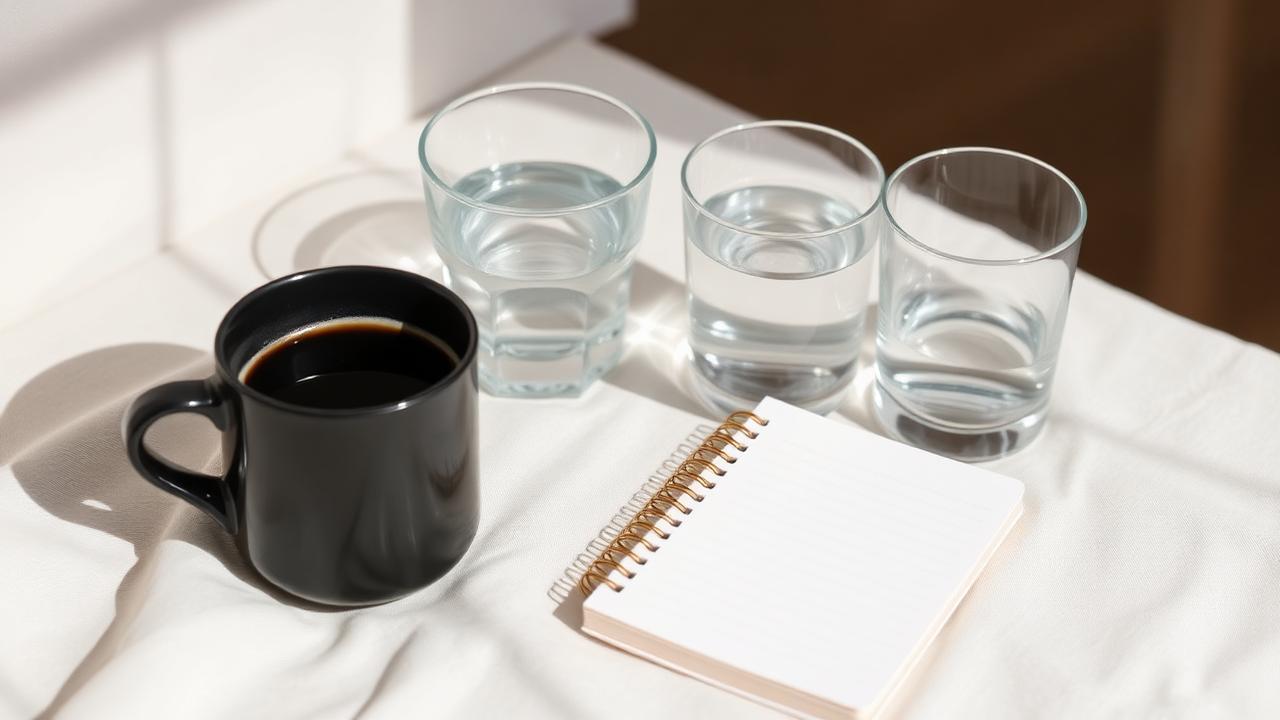
Short answer
Coffee does not usually dehydrate you when consumed in normal amounts. Although caffeine can make you urinate more, the water in coffee generally replaces the extra fluid lost. For regular coffee drinkers, moderate intake of about 2 to 4 cups daily can count towards fluid intake, alongside water and other drinks.
Key takeaways
- Most moderate coffee drinking supports, rather than reduces, daily fluid intake.
- Caffeine has a mild diuretic effect, especially in people who rarely consume it.
- Very strong coffee, large quantities and hot weather can increase dehydration risk.
- Water remains the simplest drink for replacing fluids after sweating, illness or exercise.
- Pay attention to thirst, urine colour and how much caffeine you tolerate.
Does coffee dehydrate you?
For most people, coffee does not dehydrate you. A cup of brewed coffee contains far more water than the modest amount of extra urine caffeine may prompt, so it usually makes a positive contribution to fluid intake. This is especially true for people who drink coffee regularly, because the body becomes less responsive to caffeine’s diuretic effect over time.
The confusion comes from caffeine’s reputation as a diuretic. A diuretic is a substance that increases urine production. Caffeine can do this, but its effect at ordinary coffee doses is mild and temporary. Drinking a 250 ml mug of coffee does not mean your body loses 250 ml of water, let alone more than it received.
Coffee should not be treated as the only source of fluid. Water is still the most dependable choice when you are thirsty, exercising in Lahore’s summer heat, recovering from vomiting or diarrhoea, or managing a condition that affects fluid balance. But there is no need to automatically offset every coffee with an identical glass of water.
Why does caffeine make you urinate more?
Caffeine can increase urine output by affecting the kidneys and the hormones involved in fluid regulation. In simple terms, it can make the kidneys reabsorb slightly less sodium and water for a short period. The result may be a more frequent need to urinate, particularly after a large dose of caffeine consumed quickly.
This effect is not the same for everyone. Someone who has no caffeine most days may notice it after one strong coffee. A regular drinker is likely to notice less change because tolerance develops. Timing matters too: coffee taken first thing in the morning may coincide with fluid you drank earlier, making coffee seem more diuretic than it is.
The amount of caffeine matters more than the name of the drink. Filter coffee, espresso, instant coffee and cold brew can vary widely in caffeine content depending on bean, dose, brew method and serving size. A large iced coffee made with multiple espresso shots can contain substantially more caffeine than a small flat white.
- 01A single espresso is commonly about 30 ml.
- 02A typical brewed coffee serving is often 200 to 300 ml.
- 03A double espresso uses roughly 18 to 20 g of ground coffee.
- 04Caffeine effects are usually more noticeable when several servings are consumed close together.
Does coffee count towards your daily water intake?
Yes, coffee generally counts towards your daily fluid intake. Hydration comes from water, milk, soups, fruit, vegetables and many other drinks, not just plain water. Black coffee is mostly water, while milk-based coffee also contributes fluid from milk. The fact that coffee contains caffeine does not cancel out its water content.
Daily fluid needs are individual. They change with body size, food intake, temperature, activity level, pregnancy, breastfeeding, illness and medication. A person working outdoors in high heat will need more fluid than someone spending the day in air conditioning. Rather than chasing one universal litre target, use physical signs alongside your routine.
Pale straw-coloured urine most of the day is often a practical sign that fluid intake is adequate. Dark yellow urine, persistent thirst, dry mouth, headache, dizziness or unusual fatigue can suggest that you need more fluids. Some vitamins, foods and medicines can alter urine colour, so no single sign should be treated as a diagnosis.
When can coffee contribute to dehydration?
Coffee is more likely to be unhelpful when it adds a large caffeine load without enough other fluids. This can happen if you drink several strong coffees in a short window, use coffee to push through poor sleep, or have coffee instead of eating and drinking normally. The problem is usually the overall pattern, not one morning cup.
Hot weather raises the stakes. During a Lahore heatwave, sweating can remove substantial fluid and salts. Coffee is not forbidden, but it is not the best primary recovery drink after prolonged outdoor work, sport or a heavy sweat session. Start with water, and consider an oral rehydration solution if fluid loss is significant due to illness or prolonged heat exposure.
Alcohol can also complicate the picture. An espresso after a late night may make you feel more alert, but it does not reverse alcohol-related dehydration or restore sleep. Similarly, coffee is not a treatment for diarrhoea, vomiting or fever. In these situations, prioritise fluids that are easy to tolerate and seek medical advice if symptoms are severe or persistent.
How much coffee is sensible for hydration and health?
For most healthy adults, moderate caffeine intake is generally considered up to 400 mg per day. This is a caffeine guideline rather than a hydration target, and the actual amount in coffee varies greatly. It is wise to spread coffee through the day rather than consuming multiple large drinks rapidly, especially if you are sensitive to caffeine.
Pregnant people are commonly advised to limit caffeine to 200 mg per day. People with anxiety, insomnia, reflux, heart rhythm concerns, uncontrolled high blood pressure or certain medical conditions may need a lower limit. If you take prescribed medicine, ask a clinician or pharmacist whether caffeine is appropriate, as coffee can interact with some treatments.
A practical approach is to enjoy coffee for flavour and alertness, then drink water according to thirst and circumstances. If coffee makes you jittery, gives you palpitations, worsens anxiety or repeatedly disrupts sleep, reduce the dose, choose decaffeinated coffee, or move your last caffeinated drink earlier in the day.
- 01Use 18 to 20 g coffee for a double espresso.
- 02Keep an espresso extraction around 25 to 30 seconds as a starting point.
- 03For filter coffee, begin with 60 g coffee per litre of water.
- 04Brew filter coffee with water around 92 to 96 °C.
- 05Aim to finish caffeinated coffee at least 6 to 8 hours before planned sleep if caffeine affects you.
Are iced coffee and milk coffee more hydrating than espresso?
A larger coffee drink provides more fluid simply because it contains more liquid. An iced latte made with water, ice and milk can contribute considerably more fluid than a 30 ml espresso. Milk also contains water and electrolytes, so it contributes to hydration. That does not mean a large sweet coffee is automatically the best everyday choice.
Sugar, syrups and whipped toppings do not directly dehydrate you, but they can turn a drink into a high-calorie dessert. If you enjoy flavoured coffee, choose it deliberately rather than relying on it for hydration. Unsweetened iced coffee, an Americano, a long black or a lightly sweetened milk coffee can be straightforward options when you want both refreshment and coffee.
Temperature does not change whether coffee hydrates you. Cold coffee may feel easier to drink in warm weather, while hot coffee can still contribute fluid. What matters is total intake, caffeine dose and how much fluid you are losing through sweat, illness or activity.
How should you drink coffee without getting dehydrated?
The simplest strategy is to build hydration into your day rather than treating coffee as a problem to compensate for. Have water available at meals, during work and before exercise. Drink coffee when you want it, but avoid using repeated caffeine doses to cover exhaustion. Good hydration cannot replace adequate sleep, food and recovery.
If you work in a hot kitchen, commute in intense sun or train outdoors, begin drinking water before you feel very thirsty. Take regular small drinks during activity and continue afterwards. Coffee can fit around this routine, but water should be the main drink during and immediately after exercise, especially when sweating is obvious.
At Capra Café, we encourage guests to judge coffee by its quality and how it makes them feel, not by myths around dehydration. A well-made coffee can be part of a balanced day. The useful question is not whether coffee is perfectly hydrating, but whether your total fluids, caffeine intake and daily habits suit your body.
- 01Drink water with breakfast before or alongside your first coffee.
- 02Choose one coffee at a time instead of stacking several caffeine drinks.
- 03Carry water when temperatures are high or you will be active for more than 30 minutes.
- 04Add a glass of water after coffee if it helps you remember to drink, not because coffee cancels hydration.
- 05Switch to decaf later in the day if sleep is affected.
What are the signs that you need more fluids?
Mild dehydration often develops gradually. You may feel thirsty, have a dry mouth, notice darker urine, feel tired or develop a headache. These signs can also have other causes, including poor sleep, skipped meals, stress, heat exposure and illness, so look at the full context rather than blaming coffee immediately.
More serious symptoms require attention. Seek urgent medical help for confusion, fainting, severe weakness, chest pain, severe shortness of breath, inability to keep fluids down, or very little urine along with significant illness. Children, older adults and people with kidney, heart or endocrine conditions can become dehydrated more quickly and may need individual medical guidance.
If you repeatedly feel unwell after coffee, consider the dose and timing before assuming dehydration. Try a smaller serving, drink it with food, choose a lower-caffeine brew or have decaf. Persistent symptoms deserve a conversation with a qualified healthcare professional, particularly if palpitations, anxiety, digestive pain or sleep disruption are involved.
Frequently asked questions
How much water should I drink after coffee?
You do not need to drink a fixed amount of water after every coffee. A normal coffee usually contributes to fluid intake. Drink water according to thirst, heat, activity and your overall daily intake. If adding a glass of water after coffee helps you stay hydrated, it is a useful habit, but it is not a physiological requirement.
Is coffee more dehydrating than tea?
Neither coffee nor tea is usually dehydrating when consumed in moderate amounts. Both are mostly water and may contain caffeine, which has a mild diuretic effect. Strong coffee often contains more caffeine per serving than tea, but preparation and portion size matter. Regular drinkers commonly develop some tolerance to caffeine’s effect on urine output.
Does decaf coffee dehydrate you?
Decaf coffee is very unlikely to dehydrate you. It contains only a small amount of caffeine compared with regular coffee and is mostly water, so it contributes to fluid intake. Decaf can be a good choice for people who enjoy coffee flavour but want to reduce caffeine because of sleep, anxiety, pregnancy guidance or caffeine sensitivity.
Can coffee dehydrate you during exercise?
Coffee before exercise does not automatically cause dehydration, especially if you begin well hydrated. However, water should be your main drink during activity, particularly in heat or during long sessions with heavy sweating. For endurance exercise, prolonged outdoor work or illness-related fluid loss, use an appropriate hydration plan rather than relying on coffee.
Why do I feel thirsty after drinking coffee?
You may feel thirsty after coffee because of caffeine, a dry mouth sensation, warm weather, salty food, exercise or simply not drinking enough fluids earlier in the day. Coffee can also make some people urinate more, particularly when they are not accustomed to caffeine. Have water if you are thirsty and consider reducing very strong or repeated servings.
Keep reading
- Best Time of Day to Drink Coffee
- How Much Caffeine Is in a Cup of Coffee?
- How to Drink Coffee Without Acidity Issues