Health · 7 min read
How to Drink Coffee Without Acidity Issues
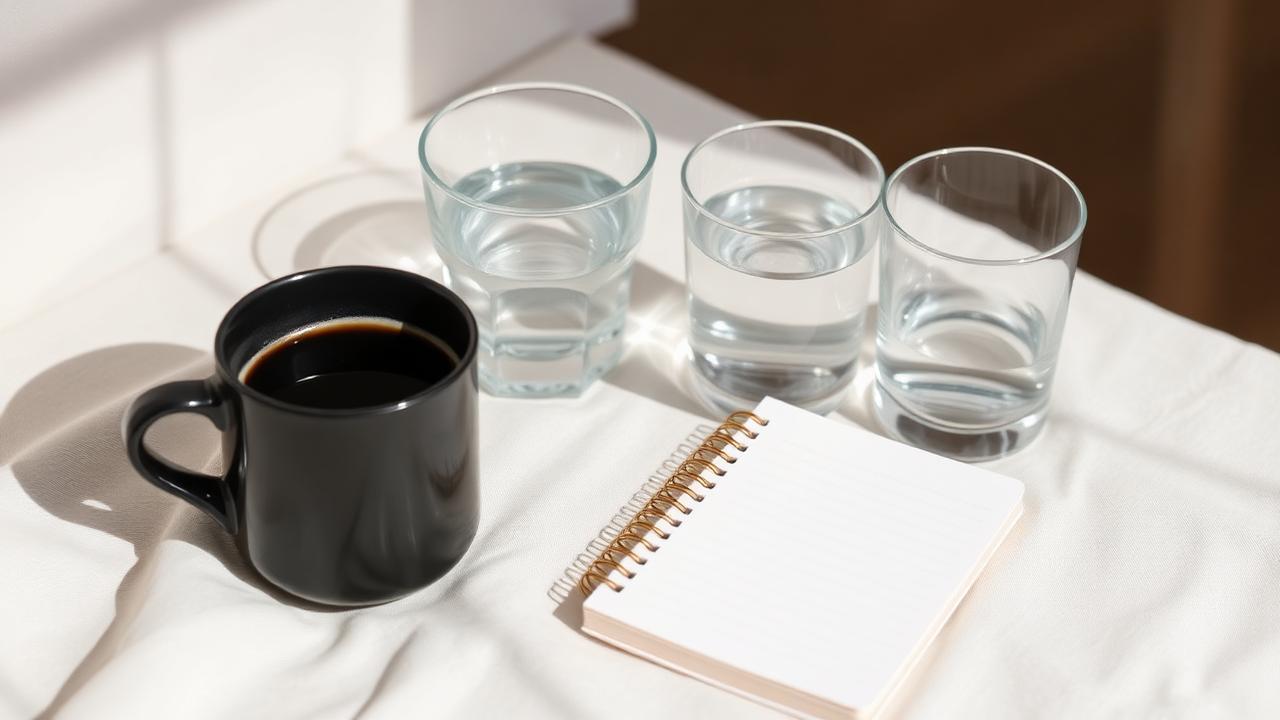
Short answer
To drink coffee without acidity issues, choose a low-acid, medium-to-dark roast, brew it as cold brew or with a paper filter, avoid drinking it on an empty stomach, and keep portions modest. Add milk if it suits you, avoid very hot coffee, and seek medical advice if burning, pain or reflux persists.
Key takeaways
- Choose medium-to-dark roasts rather than very light roasts.
- Cold brew and paper-filtered coffee are often gentler options.
- Drink coffee with food, not as the first thing in the morning.
- Use a smaller dose and avoid oversized, repeated servings.
- Persistent reflux, pain or swallowing trouble needs medical advice.
Why can coffee cause acidity issues?
Coffee can cause two related but different problems. The first is acidity in the cup: coffee contains naturally occurring acids that affect flavour and can taste bright, fruity or sharp. The second is digestive discomfort, including heartburn, reflux, nausea or an unsettled stomach. These symptoms are not explained by coffee’s measured acidity alone. Caffeine, serving size, drinking temperature, milk choices, sugar, and whether you have eaten can all matter.
Coffee may encourage symptoms in people prone to reflux because it can irritate a sensitive stomach or relax the lower oesophageal sphincter, the muscular valve between the stomach and oesophagus. A large, strong coffee can be more troublesome than a small, diluted one. Individual tolerance varies considerably, so the most useful approach is to change one variable at a time and notice what improves.
If your concern is a sour-tasting coffee, adjust the recipe. If your concern is burning behind the breastbone, bitter fluid in the throat or upper-abdominal pain, think beyond the roast level. A gentler brew can help, but symptom management also depends on timing, quantity and your own digestive health.
- 01Cup acidity is a flavour property; reflux is a physical symptom.
- 02Caffeine can matter even when a coffee tastes smooth.
- 03Large drinks and repeated servings increase the total exposure.
- 04Food, medication, stress and sleep can affect tolerance.
Which coffee beans are best for a sensitive stomach?
Start with a medium or medium-dark roast rather than a very light roast. Light roasts often preserve more of the bright, high-toned flavours associated with citrus, berries and green apple. That does not automatically make them harmful, but they may be less comfortable for someone who finds sharp coffee unpleasant. A well-developed medium-dark roast usually tastes rounder, with cocoa, nut or caramel notes and less perceived sharpness.
Look for coffees described as low acid, smooth, chocolatey, nutty or balanced, but treat those descriptions as tasting guidance rather than a medical guarantee. Origin can influence flavour, yet processing, roast development and brewing have as much practical impact as country of origin. A coffee with a naturally gentle profile can still cause symptoms if it is brewed too strong or consumed in a large quantity.
Avoid relying on decaf as the only solution. Decaffeinated coffee can be useful if caffeine triggers your reflux or jitters, but it still contains coffee compounds and can still bother some people. If you switch to decaf, choose a quality medium or medium-dark roast and test it in the same modest serving size before deciding whether it suits you.
- 01Try medium or medium-dark roast first.
- 02Choose cocoa, nut and caramel profiles over very bright fruit-led coffees.
- 03Buy small bags so you can test tolerance without waste.
- 04Consider decaf if caffeine seems to trigger symptoms.
What brewing methods make coffee gentler?
Cold brew is often a sensible starting point for people seeking a smoother drink. It is made with cool or room-temperature water over many hours, rather than rapid extraction with hot water. The result is commonly perceived as less sharp and less bitter. It is important to remember that cold brew concentrate can be very strong, so dilute it properly instead of treating it as a ready-to-drink coffee.
Paper-filtered coffee is another useful option. A V60, batch brewer or other paper-filter method produces a clean cup with less sediment and fewer oils than an unfiltered French press. For some people, that cleaner texture feels easier on the stomach. It also gives you precise control over dose, water volume and strength, which makes it easier to repeat a recipe that works.
Espresso is concentrated, not necessarily more acidic in every sense, but its small volume can be deceptive. A double espresso quickly delivers a substantial amount of coffee material and caffeine. If it causes discomfort, try an americano with more water, a smaller milk coffee, or a half-caf option. Avoid very under-extracted espresso, which can taste aggressively sour and is rarely pleasant for a sensitive palate.
- 01Cold brew: brew 80 g coarse coffee with 1,000 ml water for 12 to 16 hours, then dilute concentrate to taste.
- 02Paper filter: use 15 g coffee to 250 ml water at 92 to 96 °C, with a 2:30 to 3:30 minute brew time.
- 03Americano: add 100 to 150 ml hot water to a double espresso rather than ordering multiple shots.
- 04Avoid French press sediment if it feels heavy or irritating.
How should you prepare coffee to reduce sharpness?
Use an appropriate grind and avoid under-extraction. Under-extracted coffee can taste sour, thin and sharply acidic because the water has not dissolved enough of the coffee’s balancing sweetness and bitterness. For filter coffee, make the grind slightly finer if the cup tastes sour and finishes quickly. For espresso, a sour shot that runs too fast usually needs a finer grind, a longer yield, or both.
Keep the coffee-to-water ratio moderate. A common home filter recipe is 15 g coffee to 250 ml water, which is a 1:16.7 ratio. If that feels too intense, reduce the coffee dose to 12 g while keeping 250 ml water, rather than making a larger drink from the same strong brew. Dilution reduces concentration without demanding a drastic change in flavour.
Water temperature matters too. Water between 92 and 96 °C works well for most filter recipes. Very cool water may leave the coffee under-extracted and sour; excessively hot water can make dark roasts taste harsh or bitter. Let boiled water sit for roughly 30 to 60 seconds before pouring if you do not have a temperature-controlled kettle.
- 011. Weigh 12 to 15 g coffee for a 250 ml cup.
- 022. Use 250 ml water at 92 to 96 °C.
- 033. Bloom with 35 to 45 ml water for 30 seconds.
- 044. Finish pouring by 1:30 and aim for a total brew time of 2:30 to 3:30.
- 055. If the coffee tastes sour, grind slightly finer or extend the brew time.
Should you drink coffee with food or milk?
For many people, coffee is easier to tolerate after or alongside food. A breakfast containing protein, fibre and some fat, such as eggs with wholegrain toast, yoghurt with oats, or a balanced savoury meal, can be gentler than drinking a strong coffee immediately after waking. This does not neutralise coffee acid in a chemical sense, but it may reduce the empty-stomach discomfort some people experience.
Milk can soften coffee’s flavour and reduce the intensity of each sip. Dairy milk is a practical option for those who tolerate it. Oat, soy and other plant-based alternatives can work well too, although individual products vary in richness and added sugars. Choose an unsweetened option if sweeteners or sugary syrups worsen bloating, reflux or nausea for you.
Do not use milk to mask a coffee that is badly brewed or overly strong. A very dark, bitter espresso covered with large amounts of syrup and cream can still be uncomfortable. Begin with a balanced brew, then add 30 to 100 ml milk according to the drink style. A small flat white or latte may be easier to manage than a large, highly caffeinated iced drink.
- 01Have coffee after food rather than before breakfast.
- 02Try 30 to 100 ml milk in a 150 to 250 ml coffee drink.
- 03Choose unsweetened milk alternatives where possible.
- 04Avoid combining coffee with a very rich, spicy or greasy meal if reflux is common.
How much coffee can you drink without triggering symptoms?
The right amount is personal, but smaller servings are the most reliable place to start. Try one 150 to 250 ml coffee, then wait several hours before having another. This is especially helpful if you usually drink coffee quickly, use double shots by default, or have several caffeinated drinks before lunch. Keeping a simple note of coffee type, time, food and symptoms can reveal a pattern within a week.
Strength matters as much as cup size. A 350 ml drink made with two or three shots can deliver far more caffeine and coffee solids than a carefully brewed 200 ml filter coffee. If you enjoy the ritual of a larger cup, use more water or milk rather than adding extra grounds or extra espresso shots. Half-caf beans are another useful bridge between regular coffee and decaf.
Avoid coffee late in the day if it affects your sleep. Poor sleep can increase stress and make digestive symptoms feel harder to manage, while lying down soon after coffee may aggravate reflux for some people. If evening coffee is important to you, choose decaf and keep the drink small, ideally finishing it at least two to three hours before lying down.
- 01Begin with one 150 to 250 ml serving.
- 02Keep at least 3 to 4 hours between caffeinated coffees.
- 03Use half-caf for a gradual reduction in caffeine.
- 04Avoid lying down for 2 to 3 hours after coffee if reflux is an issue.
What coffee habits should you avoid if you have reflux?
Avoid making coffee your first intake of the day if it reliably causes burning, nausea or shakiness. Also avoid treating coffee as a substitute for breakfast or hydration. Start with water and food, then have a measured coffee. This simple sequence often works better than searching endlessly for a supposedly acid-free bean, because it addresses the context in which the coffee reaches your stomach.
Be cautious with large iced coffees, energy drinks and coffee-based desserts. Cold temperature does not make a drink automatically gentle: a large iced beverage can contain multiple espresso shots, sweet syrups and a significant caffeine load. Likewise, a sweetened bottled coffee may seem mild but can be stronger than expected. Check the serving size and ask how many shots or grams are used.
Smoking, alcohol, peppermint products, spicy meals and late-night eating can also be relevant reflux triggers for some people. Coffee may be only one part of the pattern. If you are trying to identify your trigger, keep your coffee routine consistent for several days while changing one other factor at a time. That gives more useful information than cutting out everything at once.
- 01Do not drink strong coffee immediately after waking.
- 02Avoid oversized drinks with multiple shots.
- 03Limit syrup-heavy coffee drinks if sugar worsens symptoms.
- 04Do not lie down soon after drinking coffee.
- 05Change one habit at a time to identify your personal trigger.
When should you speak to a doctor about coffee-related symptoms?
Occasional mild discomfort after coffee is common, but persistent symptoms deserve proper attention. Speak to a doctor or qualified healthcare professional if heartburn occurs frequently, if you need over-the-counter remedies regularly, or if symptoms continue despite reducing coffee, changing timing and using gentler brewing methods. Coffee may be contributing, but it should not be assumed to be the sole cause.
Seek prompt medical assessment for difficulty swallowing, pain when swallowing, unexplained weight loss, vomiting, black stools, vomiting blood, severe chest pain, persistent abdominal pain or anaemia. These are not symptoms to manage by simply changing roast level or adding milk. Chest pain can have causes other than reflux and should be taken seriously.
If you have been diagnosed with gastro-oesophageal reflux disease, gastritis, an ulcer, irritable bowel syndrome or another digestive condition, ask your clinician for personalised guidance. At Capra Café, we recommend treating coffee adjustments as a practical comfort measure, not as a replacement for diagnosis or treatment when symptoms are ongoing.
- 01Get advice for frequent or worsening reflux.
- 02Seek urgent care for severe chest pain, bleeding or black stools.
- 03Discuss coffee use with a clinician if you have a diagnosed digestive condition.
- 04Bring a brief food and symptom record to your appointment.
Frequently asked questions
Is cold brew coffee less acidic than hot coffee?
Cold brew is often perceived as smoother and less sharp than hot-brewed coffee, and many people with sensitivity find it easier to drink. However, it is not guaranteed to prevent reflux or stomach discomfort. Cold brew concentrate can be very strong, so dilute it well. Start with a small 150 to 200 ml serving, preferably with food, and assess your own response.
Can I drink coffee on an empty stomach if I have acidity?
If coffee on an empty stomach gives you burning, nausea, shakiness or stomach discomfort, it is best to avoid that habit. Have water and a balanced breakfast first, then drink a modest coffee. Food does not remove coffee’s natural acids, but it may reduce irritation and slow the impact of caffeine. If symptoms persist even with food, reduce the dose or choose decaf.
Does adding milk make coffee less acidic?
Milk can make coffee taste smoother and may feel gentler for some people, particularly when it replaces a strong black coffee with a smaller, more diluted drink. It does not make coffee neutral or guarantee relief from reflux. Use milk you tolerate well, keep syrups minimal, and focus on a moderate coffee dose. Lactose intolerance can cause separate digestive symptoms.
What roast is least likely to cause acid reflux?
A medium or medium-dark roast is often a practical choice because it generally tastes less bright and sharp than a light roast. However, roast level alone does not determine reflux risk. Caffeine, quantity, brewing method, food timing and personal sensitivity all matter. Choose a balanced, chocolatey or nutty coffee, brew it gently, and test one small serving at a time.
Can decaf coffee still cause acidity or heartburn?
Yes. Decaf coffee contains much less caffeine than regular coffee, but it still contains coffee compounds that can trigger symptoms in some people. If caffeine is your main trigger, decaf may be a significant improvement. Choose a medium-to-dark decaf, drink it with food, and avoid oversized servings. Persistent heartburn should be discussed with a healthcare professional.
Keep reading
- Best Time of Day to Drink Coffee
- Does Coffee Dehydrate You? The Real Answer
- How Much Caffeine Is in a Cup of Coffee?