Beans & roast · 8 min read
How to Store Coffee Beans Properly
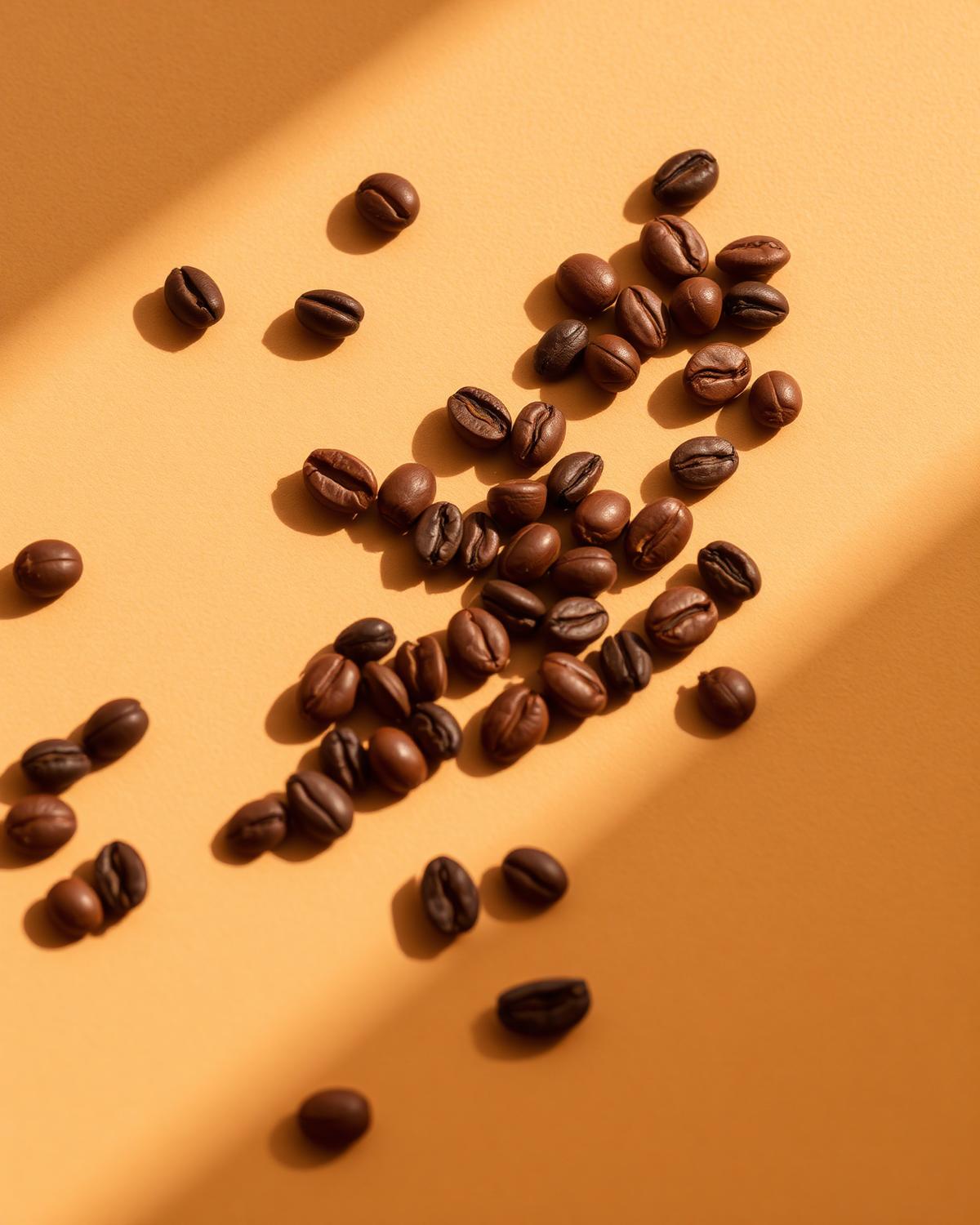
Short answer
To store coffee beans properly, keep whole beans in an airtight, opaque container at a stable room temperature of about 15–22 °C. Place it in a dark cupboard away from sunlight, the oven, steam and strong-smelling foods. Buy small amounts, keep the bag sealed, and grind only what you need immediately before brewing.
Key takeaways
- Use an airtight, opaque container in a cool, dark cupboard.
- Keep beans away from heat, sunlight, moisture and kitchen odours.
- Buy enough whole beans for roughly two to four weeks.
- Do not refrigerate coffee beans for everyday storage.
- Freeze only well-sealed surplus coffee in small portions.
Why does coffee bean storage matter?
Coffee beans begin changing as soon as they are roasted. Their aromatic compounds gradually fade, while oxygen, heat, light and moisture accelerate the loss of flavour. Poor storage can make a carefully roasted coffee taste flat, woody, stale or oddly muted before its time. Proper storage will not make old beans fresh again, but it protects the sweetness, clarity and aroma that were present when the bag was opened.
Whole beans are naturally more stable than ground coffee because less surface area is exposed to air. Once coffee is ground, gases and aromas escape rapidly, which is why grinding immediately before brewing makes such a noticeable difference. Storage therefore starts with buying whole beans where possible, then choosing a method that limits repeated exposure to the elements that cause coffee to deteriorate.
The goal is not to eliminate every trace of air. In a home kitchen, the practical goal is consistency: a tightly closed container, a stable temperature and minimal handling. A simple cupboard setup can preserve coffee very effectively when you buy sensible quantities and avoid the common habit of leaving beans on the counter beside heat, sunlight or steam.
- 01Oxygen dulls aroma and promotes staling.
- 02Heat speeds up flavour loss.
- 03Light can degrade exposed coffee.
- 04Moisture causes uneven extraction and can encourage spoilage.
- 05Odours can transfer to coffee during poor storage.
What is the best container for coffee beans?
The best everyday container is airtight, opaque, clean and appropriately sized for the amount of coffee you keep at home. A metal canister with a reliable seal, a ceramic jar with a gasket, or a high-quality opaque food container all work well. The container should protect beans from light and reduce contact with fresh air each time you open it.
Choose a container that is not dramatically larger than your coffee supply. A large jar holding a small amount of beans leaves more air inside, and that air is replaced every time you open the lid. This is not a reason to obsess over headspace, but a smaller container or a set of two containers is useful if you buy more than one bag at a time.
Many specialty coffee bags have one-way valves and resealable closures. These bags are suitable for short-term storage when folded tightly and kept in a dark cupboard. If the seal is weak, the bag is torn, or you prefer easier daily dosing, transfer the beans to a proper canister. Keep the original bag nearby if it shows the roast date, coffee name and brewing notes.
- 01Best: opaque airtight canister with a silicone or rubber seal.
- 02Good: original resealable valve bag, folded down after each use.
- 03Avoid: clear jars left on the worktop or windowsill.
- 04Avoid: loosely clipped bags and containers with lingering food smells.
- 05Wash and dry containers fully before refilling them.
Where should you keep coffee beans at home?
Store coffee beans in a dark cupboard at a stable room temperature, ideally around 15–22 °C. A cupboard away from the cooker, oven, dishwasher, kettle and direct sun is usually the best place. In Lahore, kitchen temperatures can rise sharply during hot weather, so select an internal cupboard or pantry shelf rather than a cabinet exposed to afternoon heat.
Avoid placing coffee above the fridge, beside the hob or near a window. These locations experience heat, light and temperature swings. The same applies to shelves near a kettle or espresso machine, where repeated steam can create humid conditions. Coffee does not need to be kept cold for normal use; it needs to be kept stable and dry.
Keep coffee separate from pungent pantry items where possible. Beans can absorb odours from spices, onions, garlic, scented tea, cleaning products and strongly perfumed cupboards. An airtight container gives useful protection, but it is still sensible to store coffee in a clean, neutral-smelling area. If a cupboard smells strongly of anything, use a different shelf.
- 01Target storage temperature: 15–22 °C.
- 02Keep humidity low and avoid steam-prone areas.
- 03Choose a dark internal cupboard or pantry shelf.
- 04Keep at least 50 cm away from active heat sources where practical.
- 05Never leave the lid open while preparing other food.
How long do coffee beans stay fresh after opening?
Freshly roasted coffee needs time to settle after roasting, then tastes best within a practical window rather than on one exact day. For many coffees, brewing from about 7 to 30 days after roasting gives reliable results, though darker roasts can often be enjoyable sooner and some lighter roasts develop well over a longer period. The roast style, processing method and brewing method all affect the ideal timing.
After opening, aim to finish a bag within two to four weeks for the most expressive flavour. Coffee remains safe to drink beyond that period if it has been stored dry and clean, but its aroma and sweetness will gradually diminish. Espresso can become harder to dial in as beans age, while filter coffee may lose floral, fruit or caramel notes and seem hollow.
Use the roast date rather than a vague best-before date when choosing coffee. Buy quantities that match your brewing routine. If you make two 18 g espresso doses a day, a 250 g bag lasts just under seven days. If you brew 20 g of filter coffee three times a week, the same bag lasts roughly four weeks, which is a more suitable purchase size.
- 01Espresso example: 18 g per dose, two doses daily equals 252 g per week.
- 02Filter example: 20 g per brew, three brews weekly equals 60 g per week.
- 03For most homes, 200–500 g is a sensible purchase size.
- 04Write the opening date on the bag or container.
Should you refrigerate coffee beans?
No, do not refrigerate coffee beans for everyday storage. A fridge introduces frequent temperature changes and moisture risk whenever the container is removed and opened. Condensation is especially problematic because coffee is porous and readily affected by moisture. Fridges also contain food odours that can transfer if packaging is not completely secure.
Refrigeration is sometimes suggested as a way to slow staling, but it is rarely necessary for a bag you expect to finish within a few weeks. A sealed container in a cool, dark cupboard is simpler and more dependable. The improvement gained from careful room-temperature storage is usually greater than any theoretical benefit from moving the same coffee in and out of a refrigerator.
If your home is consistently very hot and you have no climate-stable cupboard, focus first on reducing heat exposure. Use an opaque airtight container in the coolest dry room available, away from sunlight. Buy smaller bags more often rather than trying to keep a large open supply in the fridge. Fresh purchasing is a better solution than complicated daily cold storage.
- 01Do not open cold coffee containers immediately after removing them from chilled storage.
- 02Avoid fridge storage for coffee used daily.
- 03Do not store beans near uncovered foods or aromatic ingredients.
- 04Prioritise a smaller bag and a stable cupboard over refrigeration.
Can you freeze coffee beans without ruining them?
Yes, coffee beans can be frozen successfully when you need to store surplus coffee for longer than a few weeks. Freezing is most useful for unopened bags or portions you will not use soon. The key is to divide beans into small, airtight, moisture-proof portions before freezing, so each portion is removed only once and is not repeatedly exposed to temperature changes.
Use freezer-safe bags with as much air removed as practical, or tightly sealed small containers. Label each portion with the coffee name, roast date, weight and freezing date. Portions of 100–250 g work well for many households, but choose an amount you can finish within one to two weeks after opening. Avoid repeatedly taking a large bag out, scooping beans and returning it to the freezer.
For brewing, many people grind beans directly from frozen portions, especially for espresso or filter brewing. Alternatively, keep the sealed portion closed until it has returned to room temperature, which may take several hours depending on the size. The important rule is not to open a cold container while condensation could form on the beans.
- 01Portion coffee into 100–250 g packs before freezing.
- 02Remove excess air and seal each pack tightly.
- 03Freeze once; do not thaw and refreeze repeatedly.
- 04Keep a portion sealed until it is room temperature if you plan to thaw it.
- 05Use frozen surplus within several months for best quality.
How should you store coffee beans step by step?
A good storage routine takes less than a minute and makes daily brewing more consistent. Begin by selecting a bag size you can finish while the coffee is still lively. Then protect the beans from light, air, heat and moisture without turning coffee storage into a laboratory project. The most important habit is to measure your dose quickly and close the container straight away.
For espresso, weigh beans immediately before grinding rather than leaving the canister open while you warm equipment or prepare milk. A common double espresso dose is 18 g, although your recipe may use 16–20 g. For filter coffee, a starting recipe is 60 g coffee per litre of water, so a 300 ml brew commonly uses 18 g coffee. Keeping dosing consistent also helps you notice when coffee is naturally changing with age.
If you are opening a new bag while an older bag remains, finish the older coffee first unless you are deliberately comparing coffees. Avoid mixing different beans in the same container. Their roast dates, densities and flavour profiles may differ, and mixed beans make it harder to adjust your grinder and recipe accurately.
- 011. Buy whole beans with a visible roast date.
- 022. Keep daily-use coffee in an opaque airtight container.
- 033. Store it at 15–22 °C in a dark, dry cupboard.
- 044. Weigh 18 g for a typical espresso dose or use 60 g per litre for filter.
- 055. Grind immediately before brewing and reseal the container within 30 seconds.
- 066. Freeze sealed 100–250 g portions only when you have surplus coffee.
What storage mistakes make coffee taste stale?
The most common mistake is leaving beans in a clear jar on the kitchen counter. It looks attractive, but it exposes coffee to light and often places it near heat, steam and cooking aromas. Another frequent error is buying a large quantity because it seems economical, then taking months to finish it. Coffee that is less fresh may still brew, but it will not show the quality you paid for.
Grinding the whole bag in advance is another major source of flavour loss. Ground coffee has vastly more exposed surface area than whole beans, so it loses aroma quickly. Pre-ground coffee is convenient, but if freshness matters, use a burr grinder and grind the amount needed for each brew. Even an entry-level grinder can improve flavour more than an expensive storage canister used with pre-ground coffee.
Finally, do not assume every problem is caused by storage. Coffee can taste dull because of an unsuitable grind size, stale water, poor brew temperature or an incorrect ratio. For a starting point, use water around 92–96 °C for filter coffee and adjust your recipe one variable at a time. Proper storage gives you a stable foundation; good brewing brings the cup to life.
- 01Do not display beans in clear glass under light.
- 02Do not keep coffee beside a cooker, kettle or dishwasher.
- 03Do not grind days or weeks ahead.
- 04Do not mix old and new beans in one container.
- 05Do not buy more coffee than you can finish in four weeks.
What is the simplest coffee storage setup?
For most coffee drinkers, the simplest effective setup is one 250 g bag of whole beans, one airtight opaque canister and one dark cupboard shelf. Keep the original bag label, write down the opening date, and buy a new bag when you have a few days of coffee left rather than building a large stockpile. This approach is affordable, easy to maintain and well suited to everyday espresso, moka pot, AeroPress and filter brewing.
If you enjoy trying several coffees, use smaller containers or keep unopened bags sealed until you are ready to brew them. Store one coffee as your active bag and freeze the others in portioned packs only if necessary. This prevents a shelf full of half-open bags and makes it easier to understand how each coffee changes as it rests after roasting.
At Capra Café, we recommend treating storage as part of the brewing recipe. A fresh coffee, kept well and ground just before use, gives you clearer feedback when adjusting dose, grind and water. You do not need specialist equipment; you need a clean seal, a cool dark place and a buying routine that matches how much coffee you actually drink.
- 01Daily setup: one 200–250 g active bag or canister.
- 02Storage location: a dark cupboard at stable room temperature.
- 03Replacement rhythm: buy again before the active bag is fully finished.
- 04Long-term backup: freeze only sealed portions you will not open soon.
Frequently asked questions
Is it better to keep coffee beans in the original bag or a container?
A resealable original bag with a one-way valve is suitable if it closes properly and stays in a dark cupboard. An airtight, opaque container is better when the bag seal is weak or you want easier daily use. Either option works well when beans are protected from heat, light, moisture and strong odours. Do not transfer coffee into a clear jar kept on the counter.
How long do coffee beans last in an airtight container?
Coffee beans can remain drinkable for months in an airtight container, but they taste most aromatic when used within roughly two to four weeks of opening. For many specialty coffees, the best brewing window begins about 7 days after roasting and extends to around 30 days. Storage slows flavour loss; it cannot stop it completely. Buy an amount that suits your weekly coffee consumption.
Should coffee beans be kept in the fridge or freezer?
Keep daily-use coffee beans out of the fridge. Refrigeration can expose beans to moisture, temperature changes and food odours. Freezing is useful for surplus coffee that you will not use for several weeks. Divide it into small airtight portions, freeze each portion once, and do not repeatedly thaw and refreeze the same bag. A cool dark cupboard remains best for an open everyday bag.
Can coffee beans go bad or grow mould?
Coffee beans rarely spoil in the way fresh food does when stored dry, but they can become stale and unpleasant. Mould is possible if beans are exposed to moisture or stored in a damp container. Discard coffee that smells musty, shows visible mould, feels damp or has been contaminated by water. Keep beans in a fully dry airtight container and away from steam to prevent this risk.
Should you grind coffee beans before storing them?
No. Store coffee as whole beans and grind only the amount needed immediately before brewing. Grinding greatly increases coffee’s exposed surface area, allowing aromatic compounds to escape faster. For a typical espresso, weigh and grind about 18 g just before extraction. For filter coffee, start around 60 g per litre of water. Whole-bean storage gives noticeably better flavour and more reliable brewing adjustments.
Keep reading
- Arabica vs Robusta Coffee Beans Explained
- How Coffee Is Graded and Scored
- How Long Do Coffee Beans Stay Fresh?